Understanding Greece culture helps your family integrate faster.
- Greece has a population of about 10.4 million, most following Greek Orthodox Christianity.
- The official language is Greek, while English is widely spoken in tourism and larger cities.
- Greece lies in Southeastern Europe at the southern tip of the Balkan Peninsula on the Mediterranean.
Greece is the cradle of philosophy, democracy, drama and the Olympic Games.
Most of the population follows Greek Orthodox Christianity, shaping festivals and daily life.
Identity and history
Greek cuisine is known for olive oil, feta cheese, moussaka and Greek yogurt.
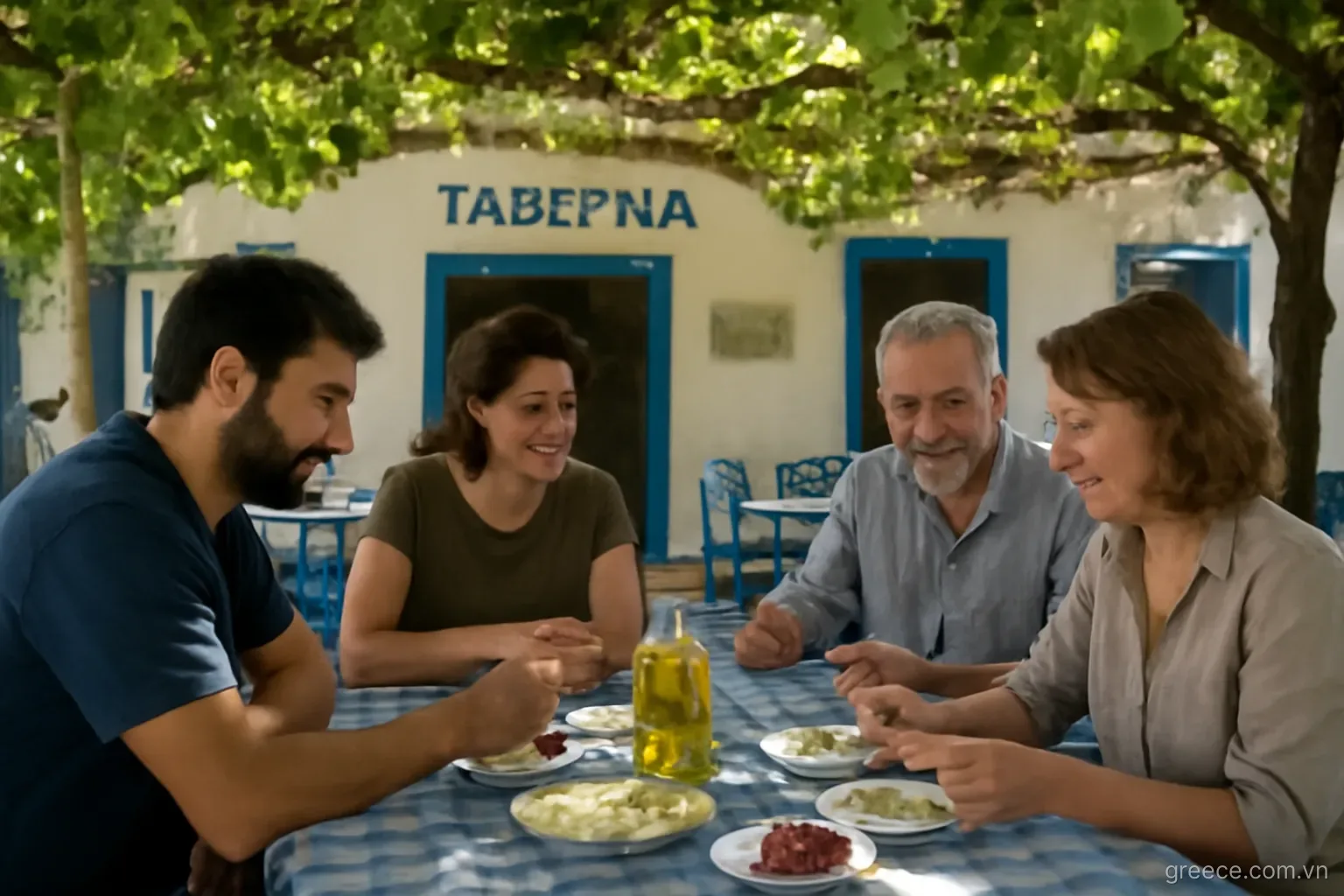
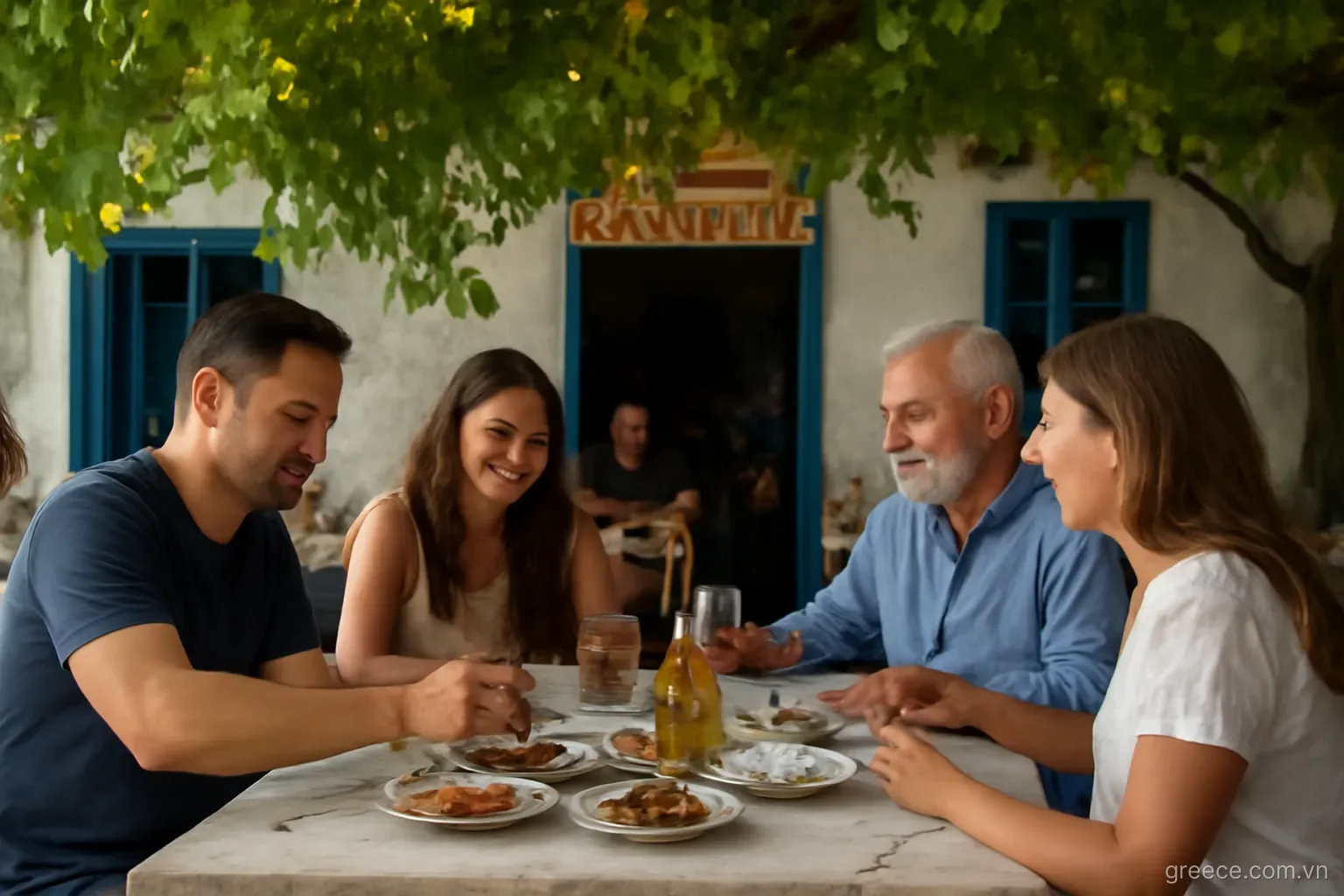
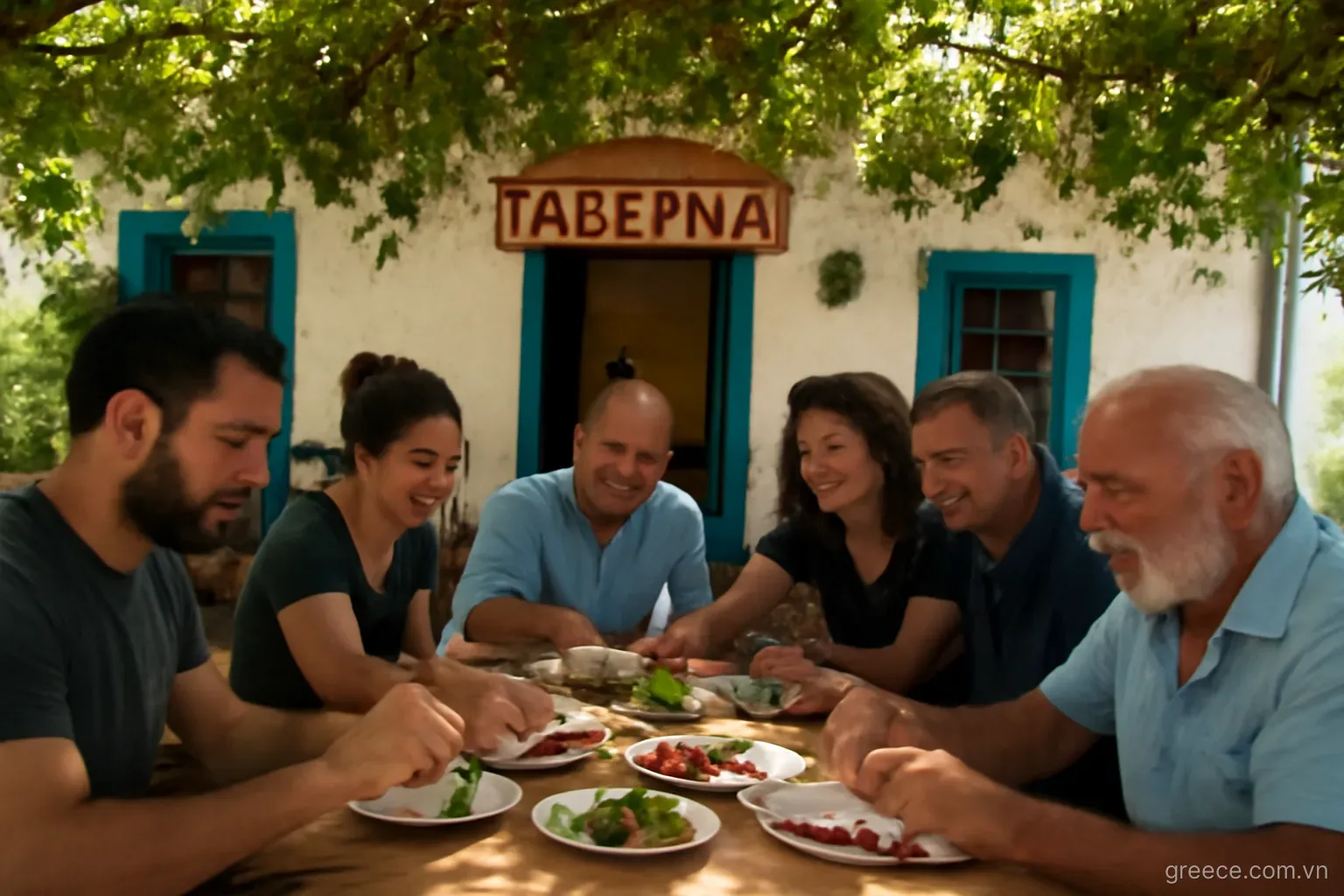
Greeks value family, hospitality (philoxenia) and long shared meals.
Orthodox Easter is the most important celebration of the year.
Values and lifestyle
UNESCO sites such as the Acropolis, Delphi and Olympia are spread across the country.
- Traditional music features the bouzouki, and the sirtaki dance is familiar to visitors.
- Greek uses its own alphabet and is one of the oldest languages still spoken.
- Wine and ouzo are traditional drinks at gatherings.
- Greece counts more than 6,000 islands and islets, of which roughly 200 are inhabited.
- It has a Mediterranean climate with hot, dry summers and mild, sunny winters.
Language and etiquette
A European Union member since 1981 and part of the eurozone, Greece uses the euro (EUR).
Greece belongs to the Schengen Area, allowing free movement across much of Europe.
Its coastline stretches about 13,600 km, among the longest in the world.
Integration
Opening a bank account requires a passport, tax number and residence documents.
Summers can be very hot, so choose a home with air-conditioning and near the sea if possible.
The cost of living in Greece is among the most comfortable in the EU.
Need a tailored roadmap?
Viking Global Group walks with you from paperwork to settlement. Call +849.219.219.88 or email [email protected] for a free consultation.
Related articles
Frequently Asked Questions
What defines Greece culture?
Key cultural traits are described above.
Any etiquette tips?
Etiquette points are covered above.
How to integrate quickly?
Integration tips are shared above.
Information is for reference and may change under the latest official policy. Please contact us for current regulations.