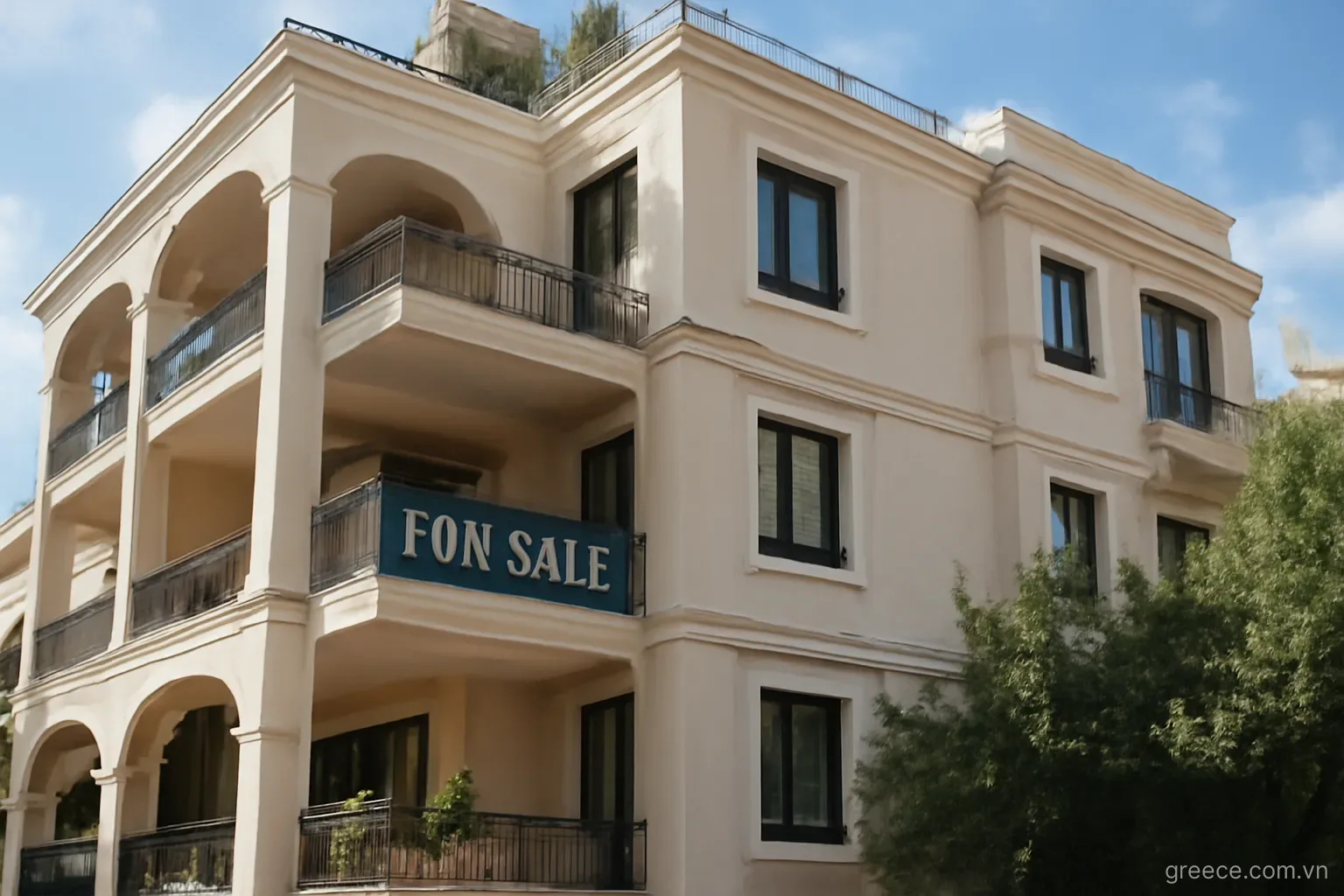
Owning property is a tangible way to both settle and invest in Greece.
- Greece counts more than 6,000 islands and islets, of which roughly 200 are inhabited.
- It has a Mediterranean climate with hot, dry summers and mild, sunny winters.
- A European Union member since 1981 and part of the eurozone, Greece uses the euro (EUR).
Tourism contributes a sizeable share of GDP, welcoming tens of millions of visitors yearly.
After the 2010s debt crisis, the economy has recovered and returned to growth.
The property market
Labour costs are more competitive than in Western Europe, appealing to some investors.
Renewable energy and technology are emerging growth areas.
Greece's economy leans on tourism, shipping and agriculture.
The buying process
Greece runs a Golden Visa programme granting residence to real-estate investors.
- Since August 2024 the minimum investment rose to around EUR 800,000 in prime areas such as Athens, Thessaloniki, Mykonos and Santorini.
- In many other areas the threshold is roughly EUR 400,000, with lower tiers for certain heritage-restoration projects.
- The Golden Visa residence card is valid for five years and renews while the investment is held.
- The programme sets no minimum-stay requirement, which suits busy investors.
- The permit covers the whole family, including spouse, dependent children and both sets of parents.
Costs and taxes
The public health system (ESY) serves residents, though many add private insurance.
Residence holders must register a tax number (AFM) and a social-security number.
Public transport in Athens includes a convenient metro, buses and trams.
Yield and risk
Holders enjoy free movement within the Schengen Area without a separate visa.
Besides property, investors may qualify through bonds, shares or bank deposits at set thresholds.
When buying, budget for transfer tax, notary and legal fees on top of the purchase price.
Need a tailored roadmap?
Viking Global Group walks with you from paperwork to settlement. Call +849.219.219.88 or email [email protected] for a free consultation.
Related articles
- Studying in Greece: a springboard to career and residency
- Seasons in Greece: when to visit and scout
- Investment & Residency
Frequently Asked Questions
Can foreigners buy property in Greece?
Foreign-ownership rules are stated above.
Does buying grant residency?
The property-residency link is explained above.
What costs are involved?
Taxes and fees are itemised above.
Information is for reference and may change under the latest official policy. Please contact us for current regulations.