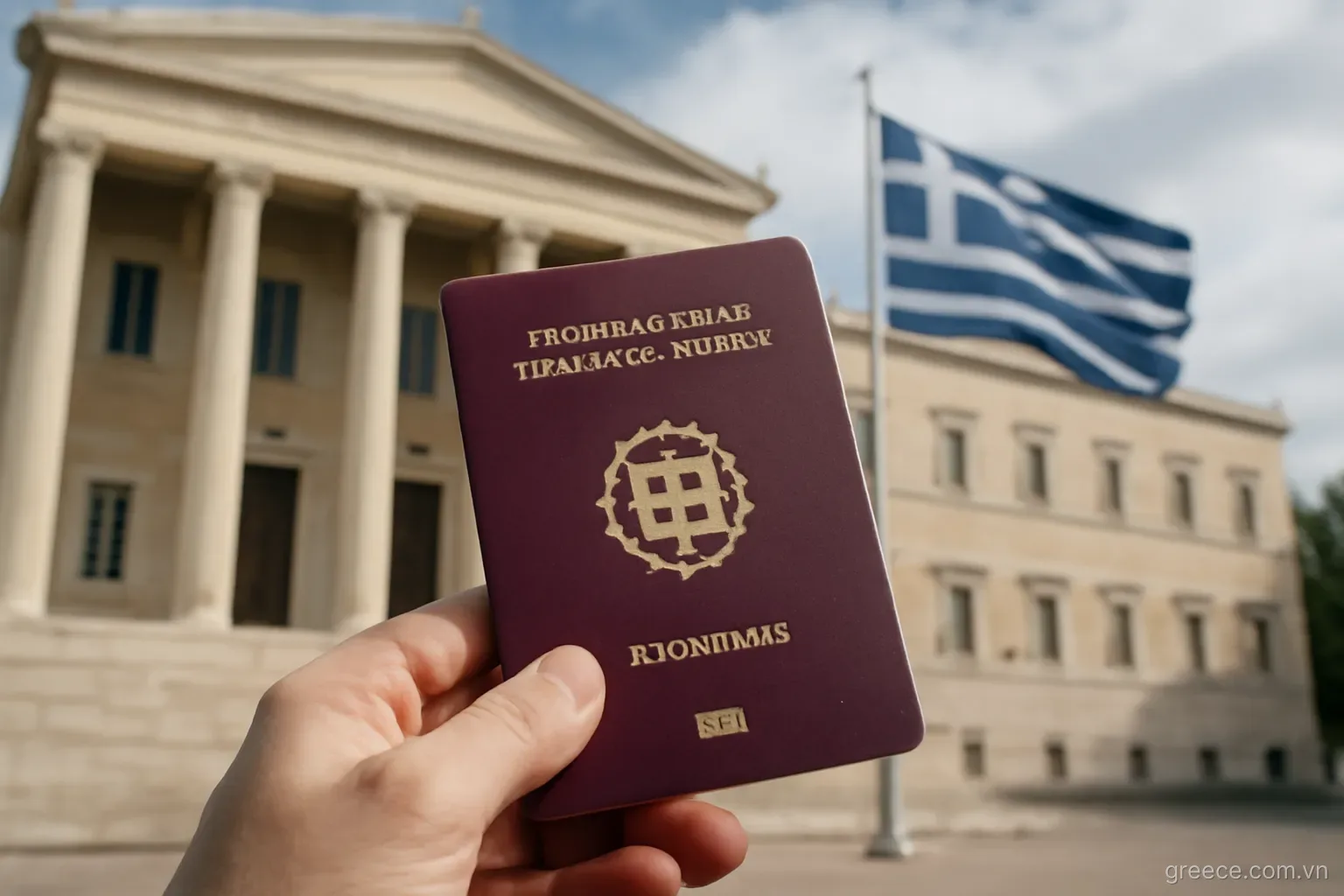
PR is often confused with citizenship; here is the difference for Greece.
- Greece belongs to the Schengen Area, allowing free movement across much of Europe.
- Its coastline stretches about 13,600 km, among the longest in the world.
- Greece lies in Southeastern Europe at the southern tip of the Balkan Peninsula on the Mediterranean.
Greece permits dual citizenship, so applicants can usually keep their original nationality.
The Greek passport is strong, offering visa-free access to most countries worldwide.
What PR means
Long-term EU permanent residence can be sought after five years of lawful residence.
Citizenship processing can be lengthy, so prepare a thorough file to avoid repeated requests.
After seven years of lawful, continuous residence, foreigners may apply for Greek citizenship.
PR requirements
Naturalisation requires proof of integration plus knowledge of Greek language, history and culture.
- The Golden Visa is a residence permit, distinct from citizenship, which still requires real, lengthy residence.
- An immigration file needs a police clearance and personal documents, notarised and legalised.
- Family reunion allows sponsoring a spouse and children under EU rules.
- The capital, Athens, is the political and economic hub and the birthplace of Western democracy.
- Greece has a population of about 10.4 million, most following Greek Orthodox Christianity.
PR holder benefits
The public health system (ESY) serves residents, though many add private insurance.
Residence holders must register a tax number (AFM) and a social-security number.
Public transport in Athens includes a convenient metro, buses and trams.
From PR to citizenship
Greece counts more than 6,000 islands and islets, of which roughly 200 are inhabited.
It has a Mediterranean climate with hot, dry summers and mild, sunny winters.
A European Union member since 1981 and part of the eurozone, Greece uses the euro (EUR).
Need a tailored roadmap?
Viking Global Group walks with you from paperwork to settlement. Call +849.219.219.88 or email [email protected] for a free consultation.
Related articles
Frequently Asked Questions
PR versus citizenship?
The article explains the rights and duties of each.
Does Greece PR expire?
Validity and renewal terms are covered above.
Can PR holders work?
Work rights and welfare access are described above.
Information is for reference and may change under the latest official policy. Please contact us for current regulations.