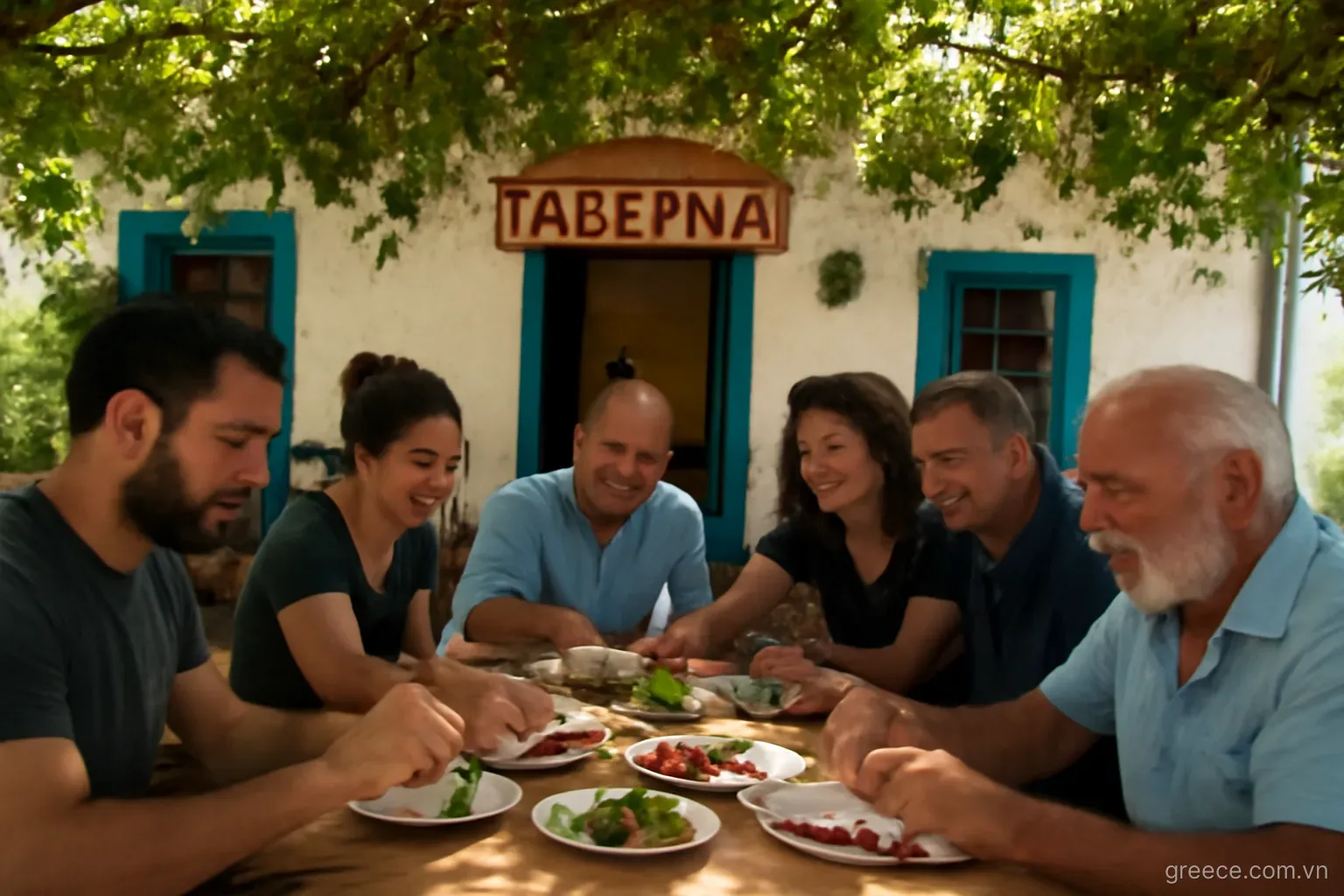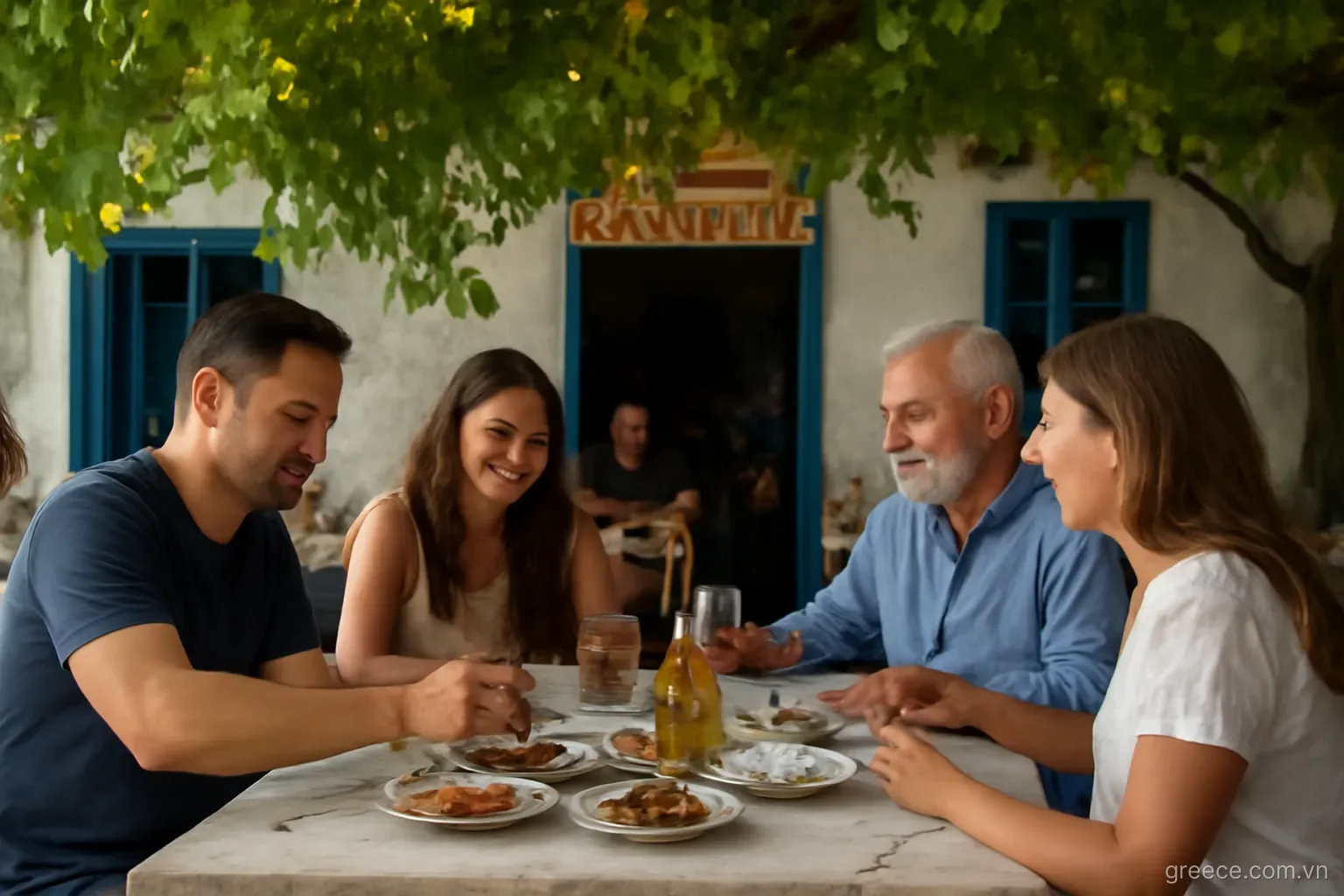
A rich social life makes Greece worth settling in.
- A European Union member since 1981 and part of the eurozone, Greece uses the euro (EUR).
- Greece belongs to the Schengen Area, allowing free movement across much of Europe.
- Its coastline stretches about 13,600 km, among the longest in the world.
Meteora astonishes with monasteries perched atop towering rock pillars.
The best time to visit is late spring and early autumn, avoiding the hot, crowded peak summer.
Leisure and sport
Vietnamese travellers can obtain a short-stay Schengen visa to visit Greece.
Island-hopping is mainly by ferry, so book ahead in high season.
Street food such as souvlaki and gyros is popular and affordable.
Community and networking
The Vietnamese community is small but present in Athens.
- Opening a bank account requires a passport, tax number and residence documents.
- Summers can be very hot, so choose a home with air-conditioning and near the sea if possible.
- The cost of living in Greece is among the most comfortable in the EU.
- Rents outside central Athens are often softer than in many Western European cities.
- The public health system (ESY) serves residents, though many add private insurance.
Work-life balance
Residence holders must register a tax number (AFM) and a social-security number.
Public transport in Athens includes a convenient metro, buses and trams.
Fresh food, sunny weather and a relaxed pace are big pluses.
Vietnamese community
The capital, Athens, is the political and economic hub and the birthplace of Western democracy.
Greece has a population of about 10.4 million, most following Greek Orthodox Christianity.
The official language is Greek, while English is widely spoken in tourism and larger cities.
Need a tailored roadmap?
Viking Global Group walks with you from paperwork to settlement. Call +849.219.219.88 or email [email protected] for a free consultation.
Related articles
- Experiencing life in Greece before you settle
- Property returns in Greece for migrant investors
- Culture & People
Frequently Asked Questions
What is there to do?
Popular leisure options are listed above.
Is it easy to build community?
Ways to connect are suggested above.
How is work-life balance?
Work-life culture is covered above.
Information is for reference and may change under the latest official policy. Please contact us for current regulations.