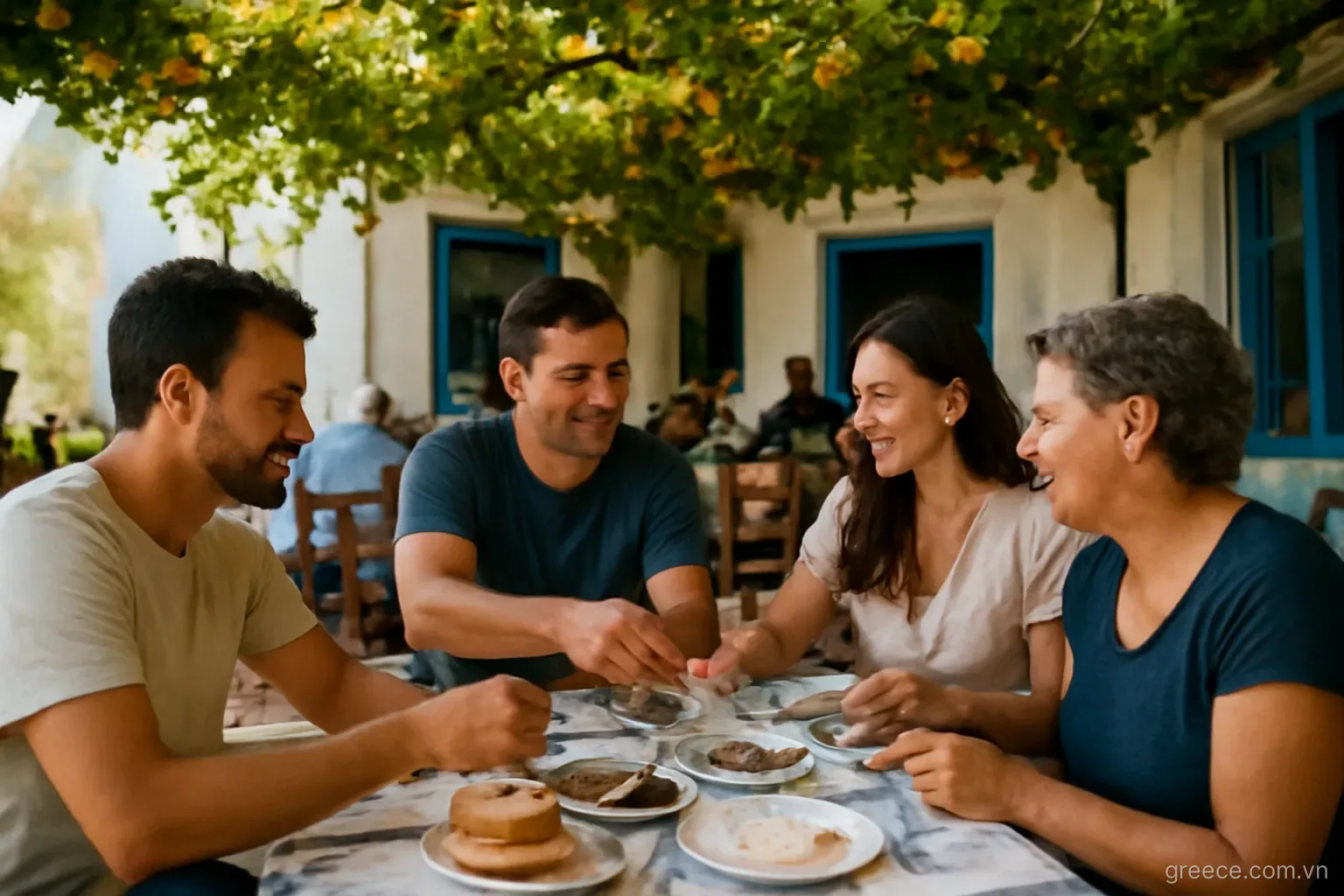
Understanding the people of Greece helps you fit in.
- The official language is Greek, while English is widely spoken in tourism and larger cities.
- Greece counts more than 6,000 islands and islets, of which roughly 200 are inhabited.
- It has a Mediterranean climate with hot, dry summers and mild, sunny winters.
Most of the population follows Greek Orthodox Christianity, shaping festivals and daily life.
Greek cuisine is known for olive oil, feta cheese, moussaka and Greek yogurt.
Typical character
Orthodox Easter is the most important celebration of the year.
UNESCO sites such as the Acropolis, Delphi and Olympia are spread across the country.
Traditional music features the bouzouki, and the sirtaki dance is familiar to visitors.
Do's and don'ts
The Vietnamese community is small but present in Athens.
- Opening a bank account requires a passport, tax number and residence documents.
- Summers can be very hot, so choose a home with air-conditioning and near the sea if possible.
- The cost of living in Greece is among the most comfortable in the EU.
- Rents outside central Athens are often softer than in many Western European cities.
- The public health system (ESY) serves residents, though many add private insurance.
Greetings and manners
Wine and ouzo are traditional drinks at gatherings.
Greece is the cradle of philosophy, democracy, drama and the Olympic Games.
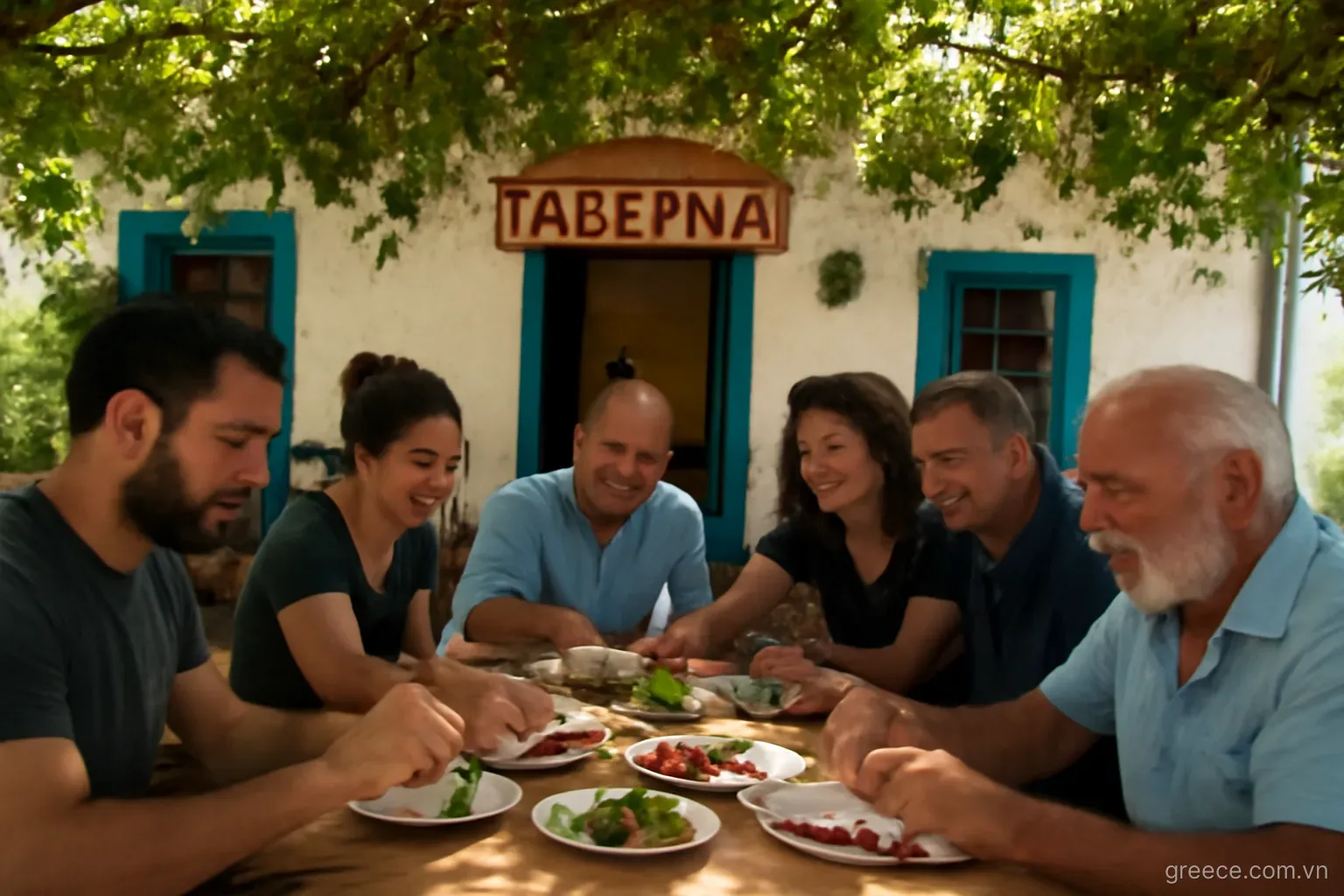
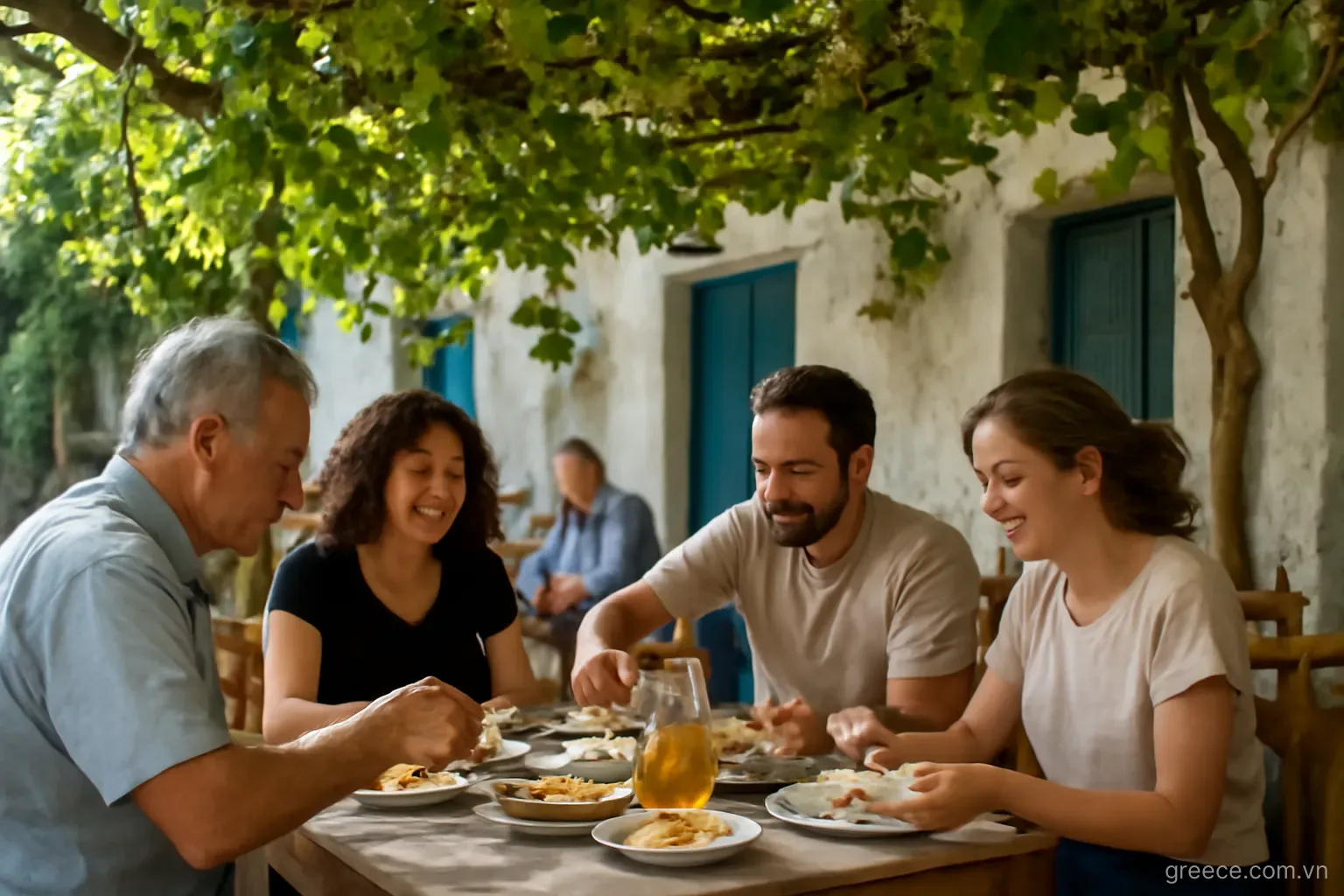
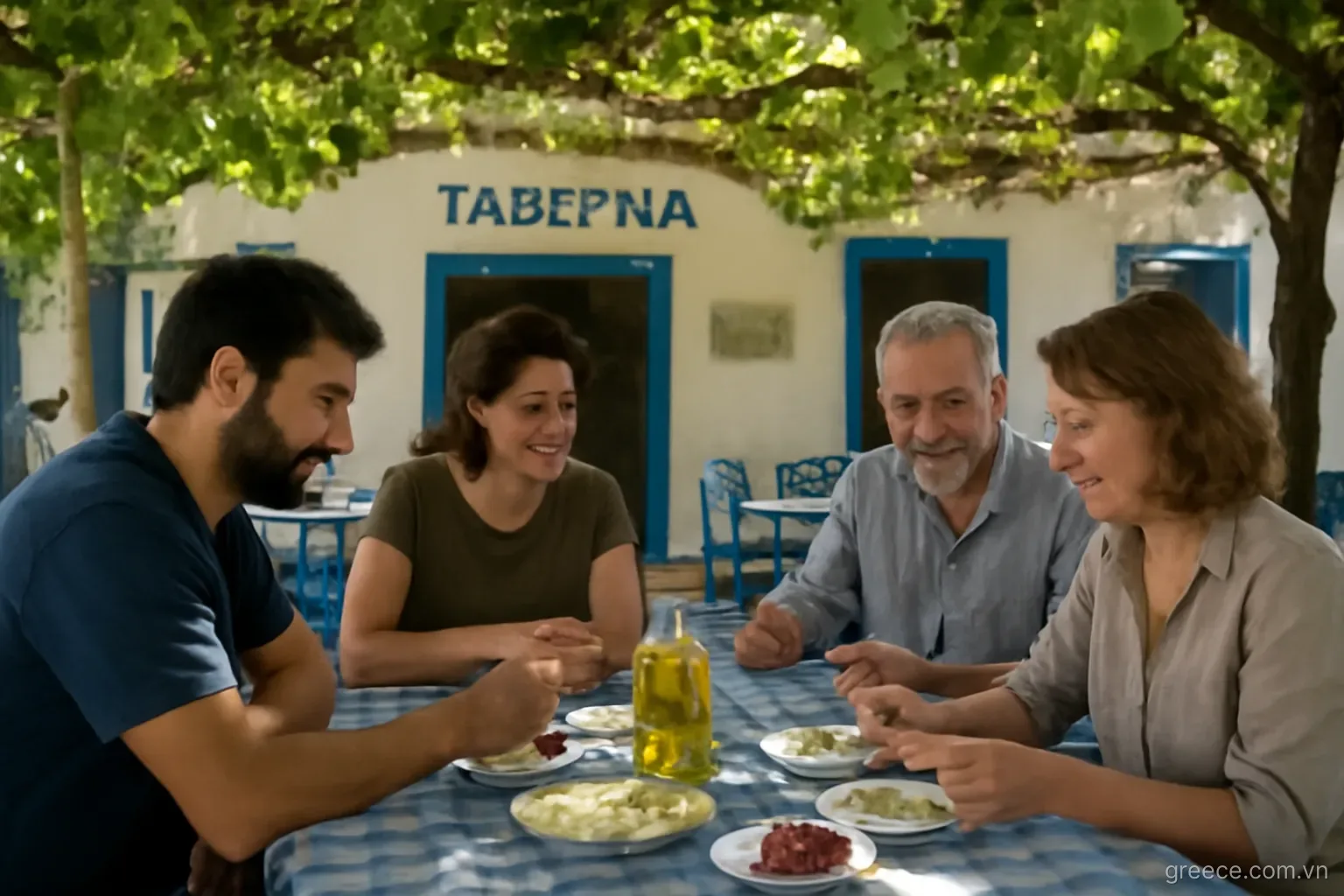
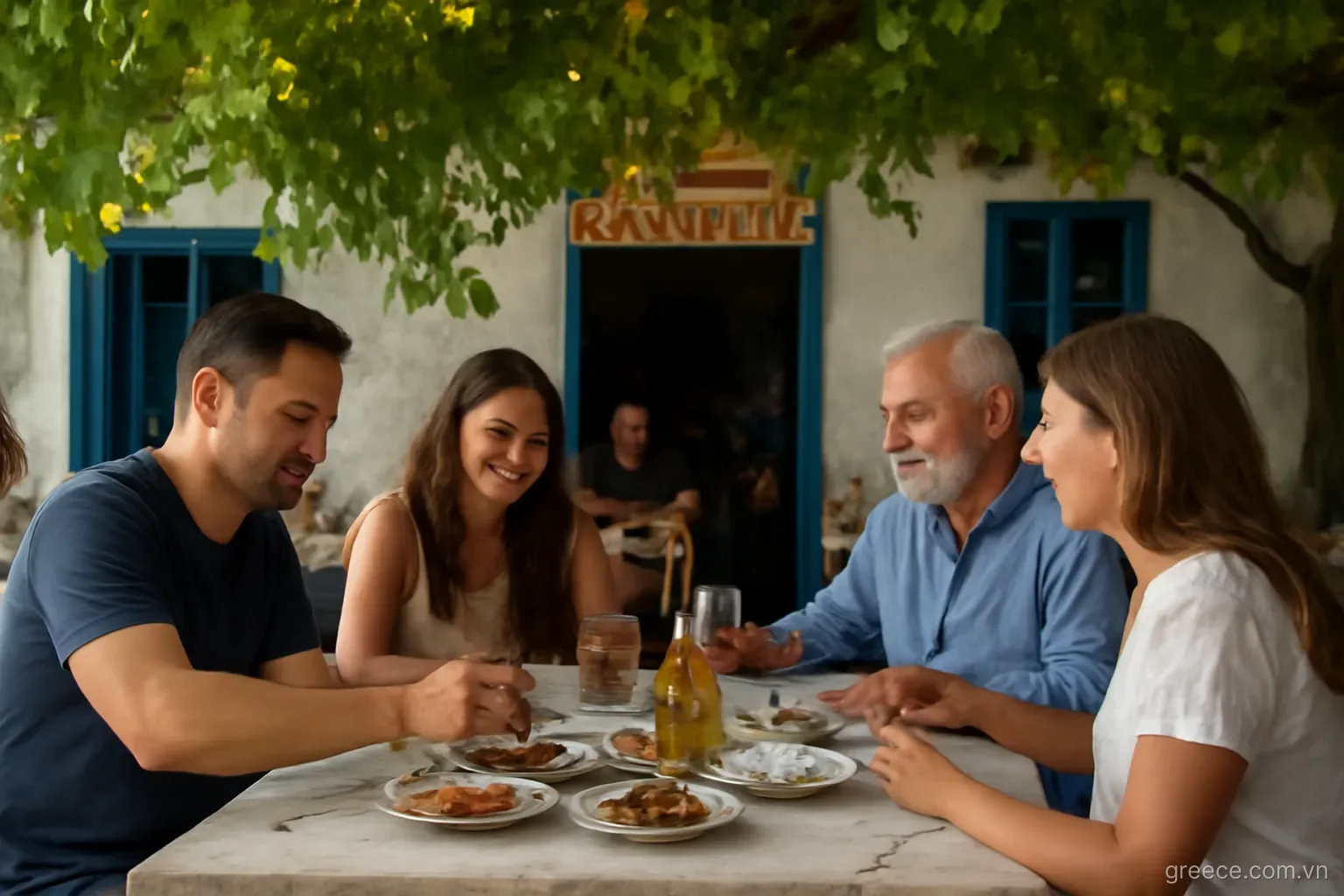
Greeks value family, hospitality (philoxenia) and long shared meals.
Building relationships
Residence holders must register a tax number (AFM) and a social-security number.
Public transport in Athens includes a convenient metro, buses and trams.
Fresh food, sunny weather and a relaxed pace are big pluses.
Need a tailored roadmap?
Viking Global Group walks with you from paperwork to settlement. Call +849.219.219.88 or email [email protected] for a free consultation.
Related articles
- Applying for a Greece study visa: process and tips
- Getting a Greece visitor visa for a scouting trip
- Culture & People
Frequently Asked Questions
Are the people friendly?
Local character is described above.
What should I avoid?
Taboos are covered above.
How to make friends in Greece?
Tips are suggested above.
Information is for reference and may change under the latest official policy. Please contact us for current regulations.