Greece boasts many destinations worth exploring.
- It has a Mediterranean climate with hot, dry summers and mild, sunny winters.
- After the 2010s debt crisis, the economy has recovered and returned to growth.
- Property, especially in Athens, has rebounded strongly on Golden Visa demand and tourism.
Athens holds the Acropolis and the Parthenon, symbols of ancient Greek civilisation.
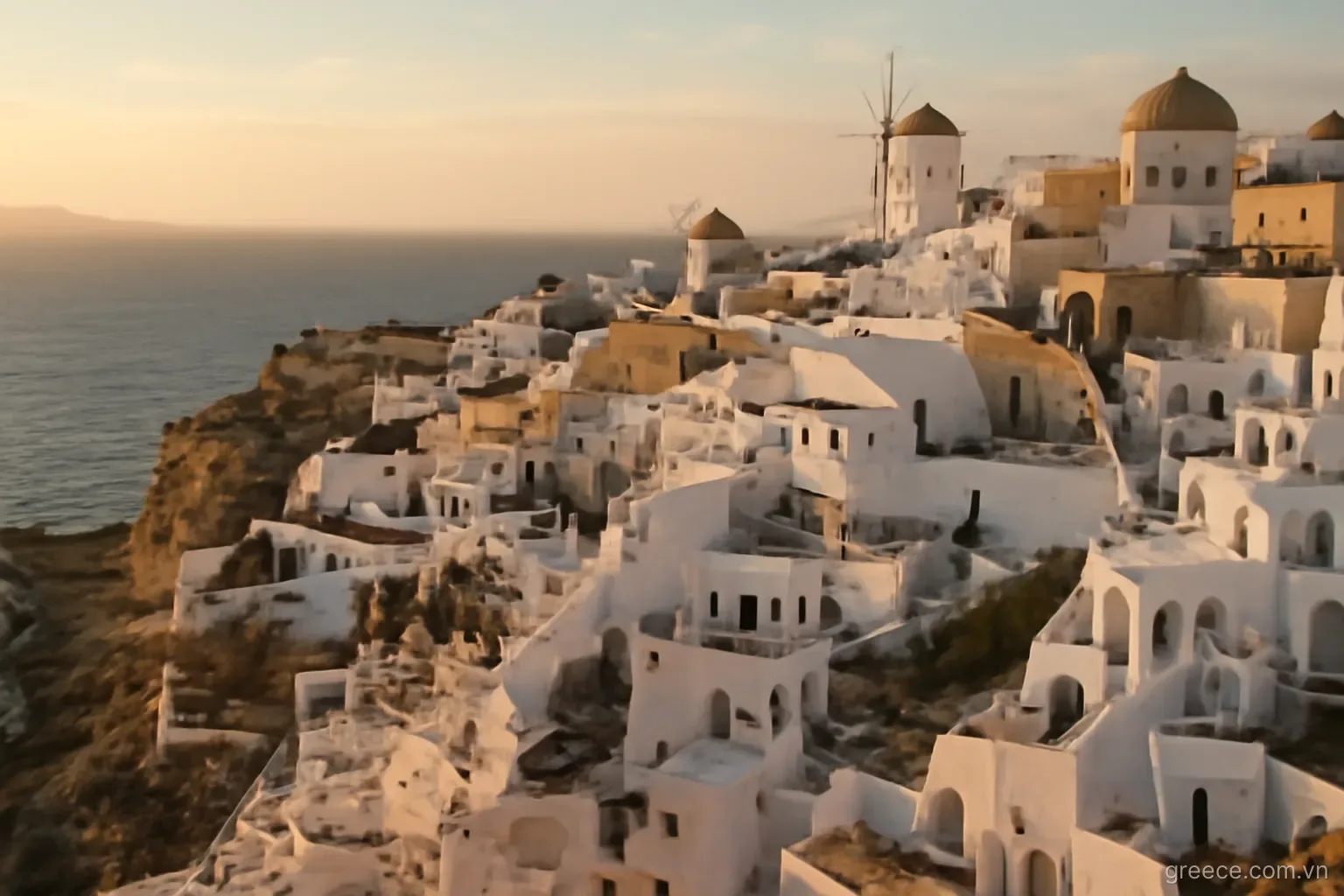
Mykonos draws visitors with its beaches, windmills and lively nightlife.
Top landmarks
Meteora astonishes with monasteries perched atop towering rock pillars.
- The best time to visit is late spring and early autumn, avoiding the hot, crowded peak summer.
- Vietnamese travellers can obtain a short-stay Schengen visa to visit Greece.
- Island-hopping is mainly by ferry, so book ahead in high season.
- Street food such as souvlaki and gyros is popular and affordable.
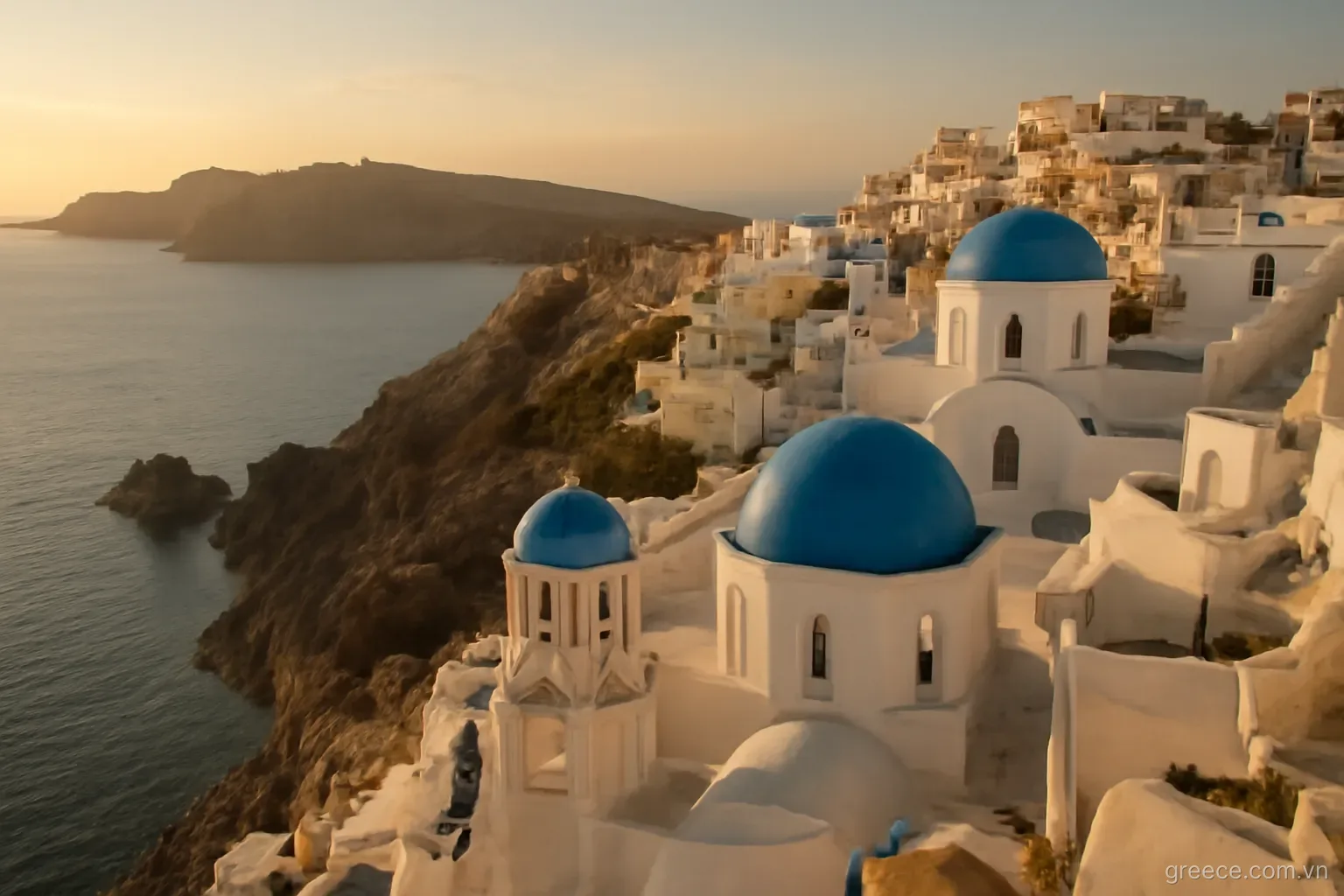
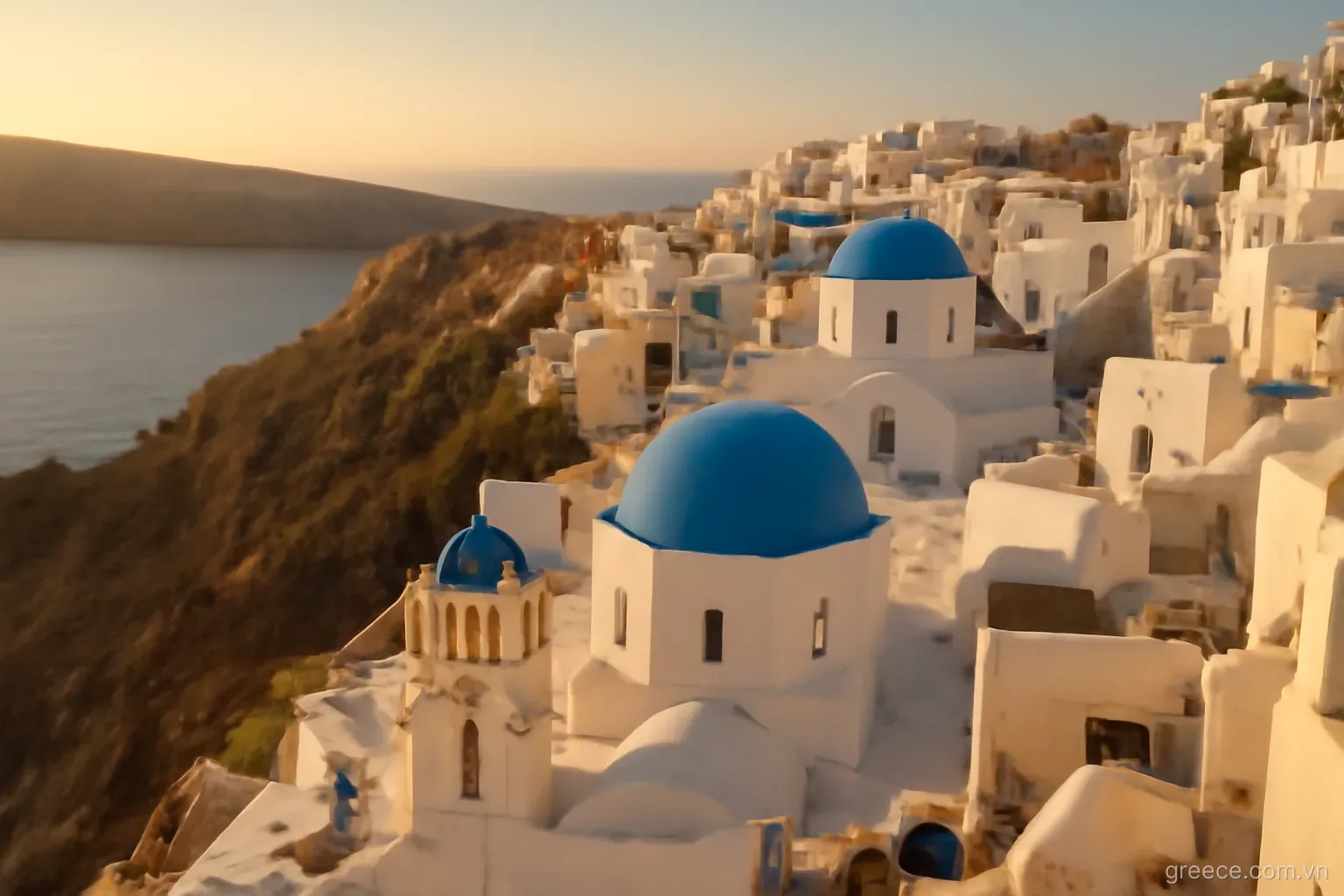
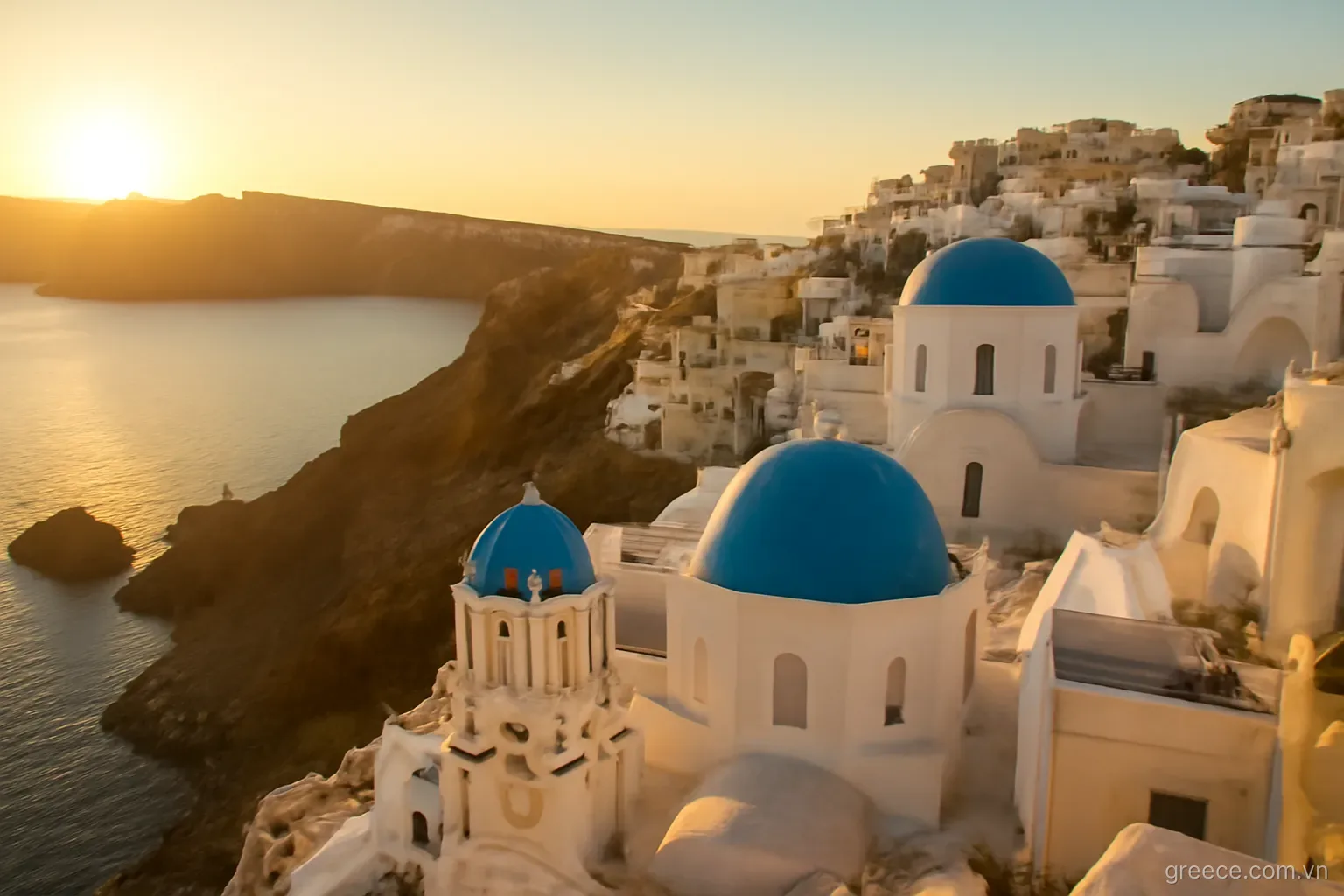
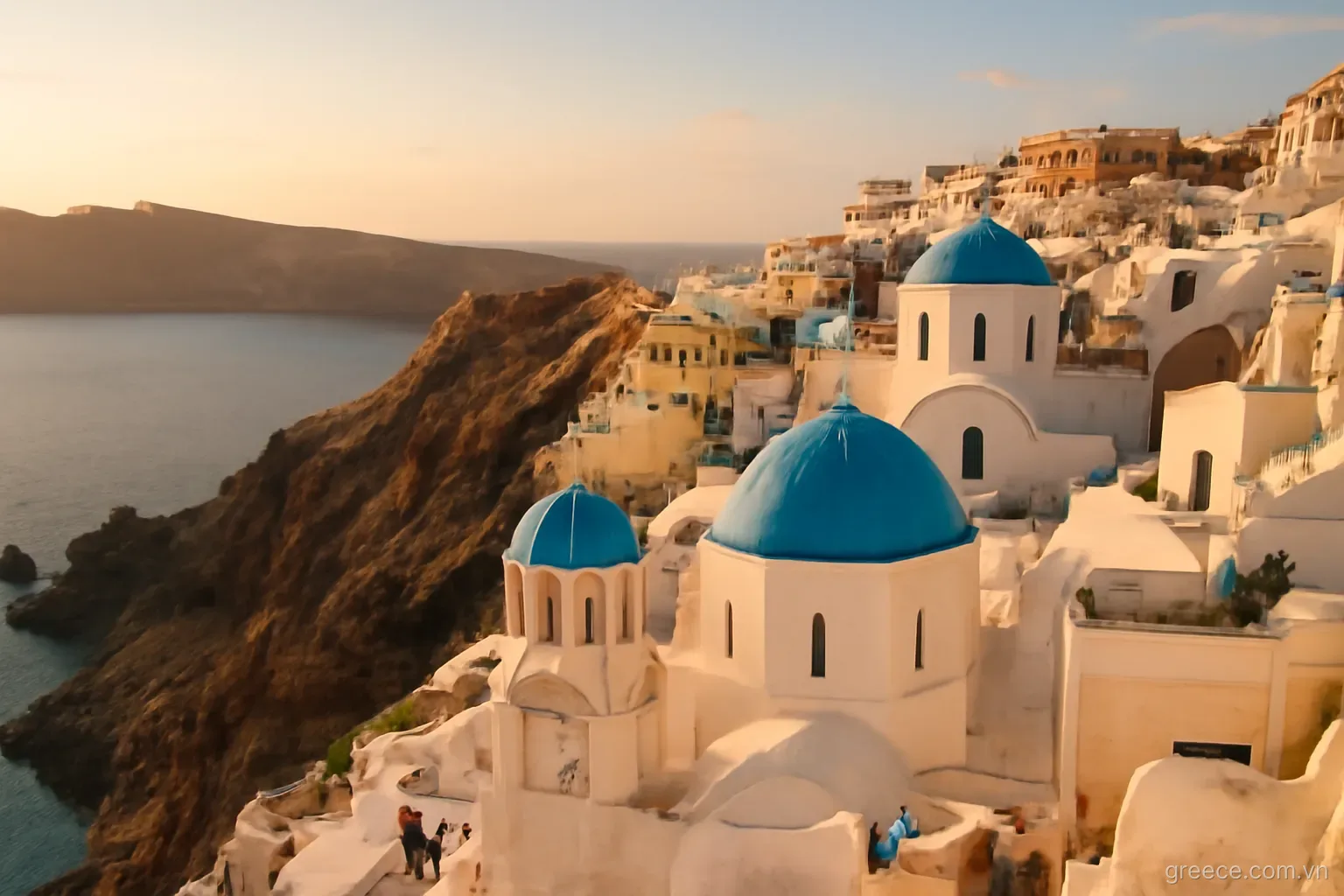
- Santorini is famous for whitewashed, blue-domed houses overlooking the Aegean Sea.
Nature and heritage
Crete, the largest island, is rich in Minoan heritage and beautiful beaches.
A European Union member since 1981 and part of the eurozone, Greece uses the euro (EUR).
Greece belongs to the Schengen Area, allowing free movement across much of Europe.
Best season
Its coastline stretches about 13,600 km, among the longest in the world.
Greece lies in Southeastern Europe at the southern tip of the Balkan Peninsula on the Mediterranean.
The capital, Athens, is the political and economic hub and the birthplace of Western democracy.
Suggested itinerary
Greece has a population of about 10.4 million, most following Greek Orthodox Christianity.
The official language is Greek, while English is widely spoken in tourism and larger cities.
Greece counts more than 6,000 islands and islets, of which roughly 200 are inhabited.
Need a tailored roadmap?
Viking Global Group walks with you from paperwork to settlement. Call +849.219.219.88 or email [email protected] for a free consultation.
Related articles
- Property-for-residency in Greece: a step-by-step buyer guide
- Residency versus citizenship in Greece: know the difference
- Travel & Explore
Frequently Asked Questions
Where to go in Greece?
Top spots are listed above.
Best time to visit?
The ideal season is covered above.
Is travel expensive?
Typical costs are noted above.
Information is for reference and may change under the latest official policy. Please contact us for current regulations.