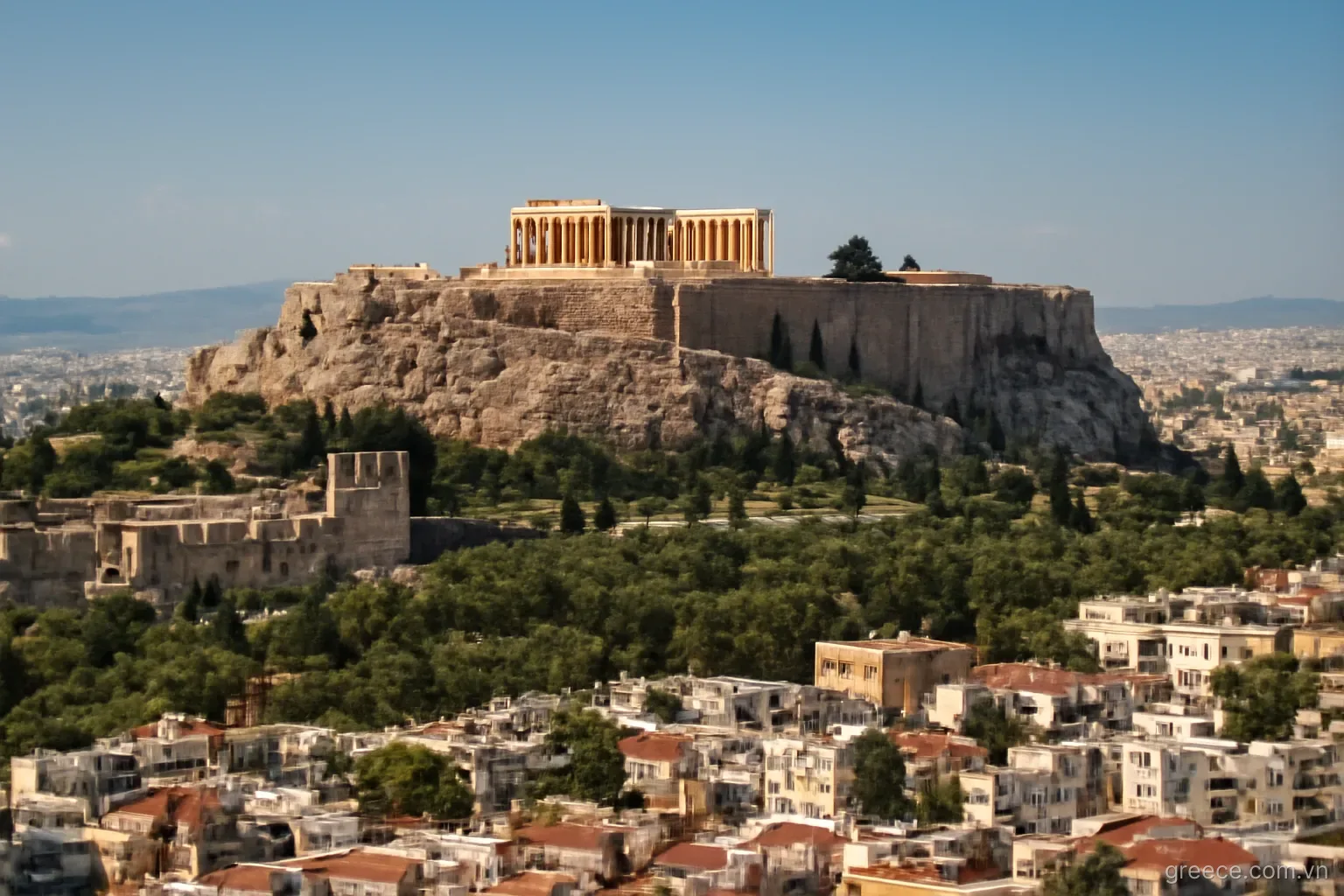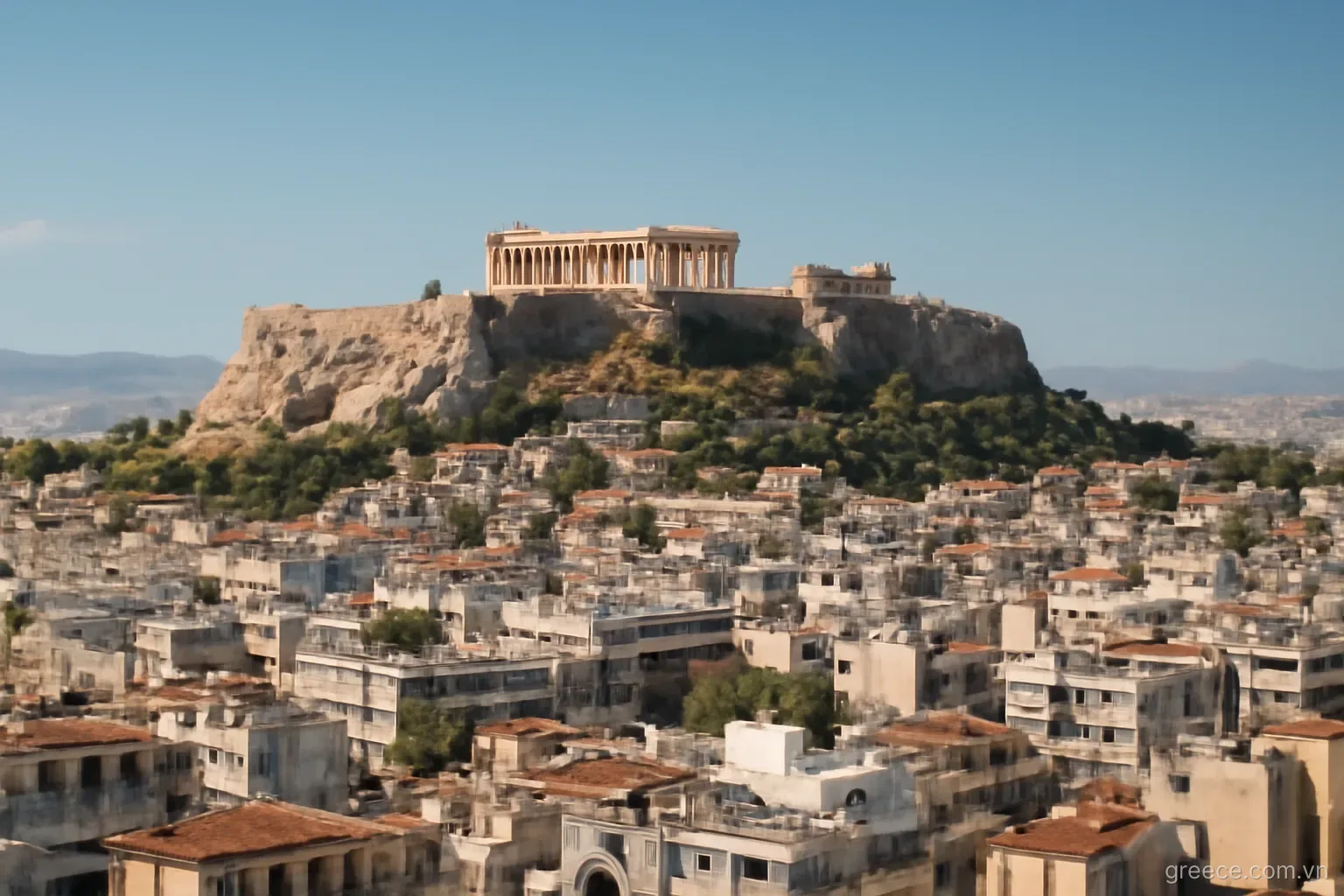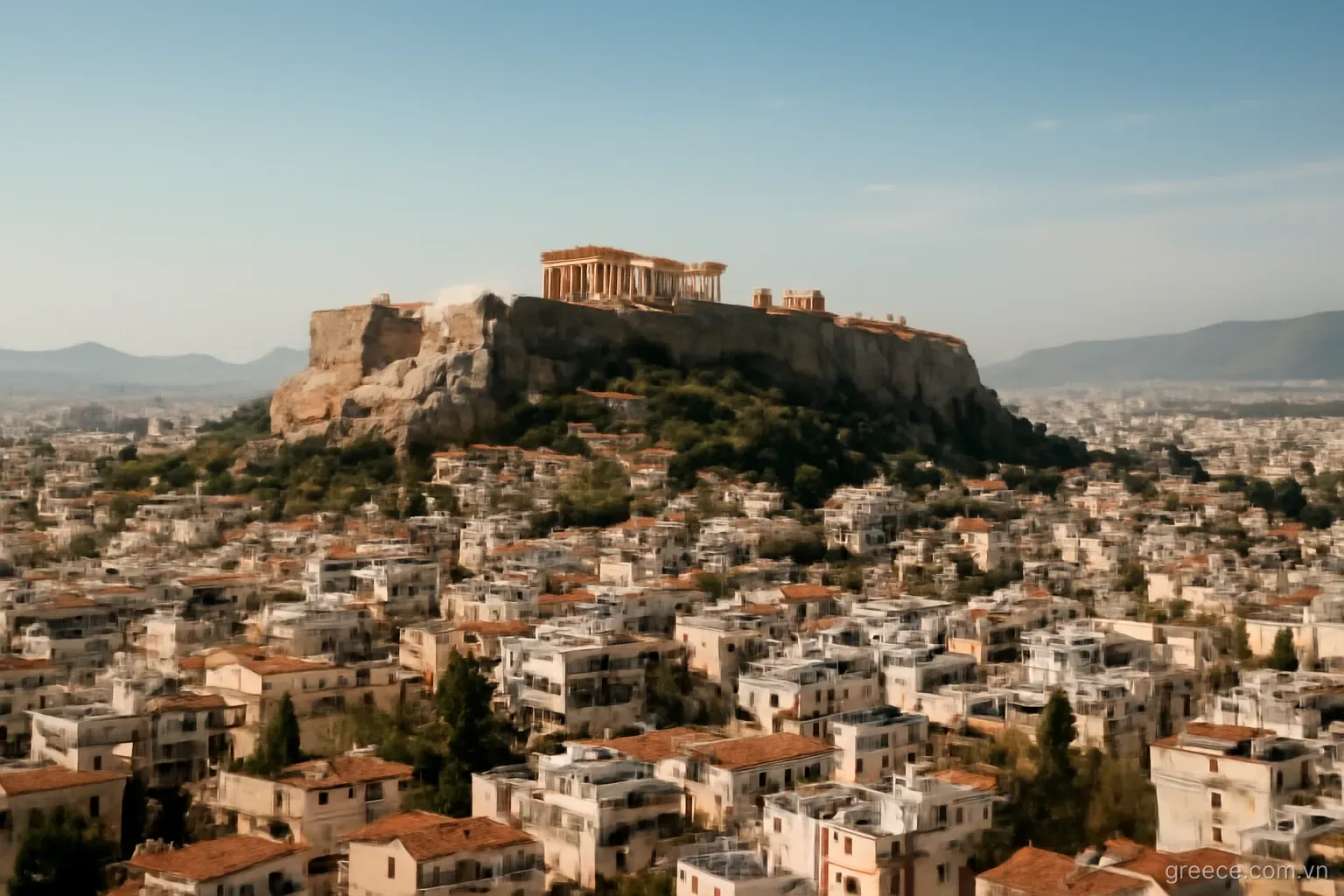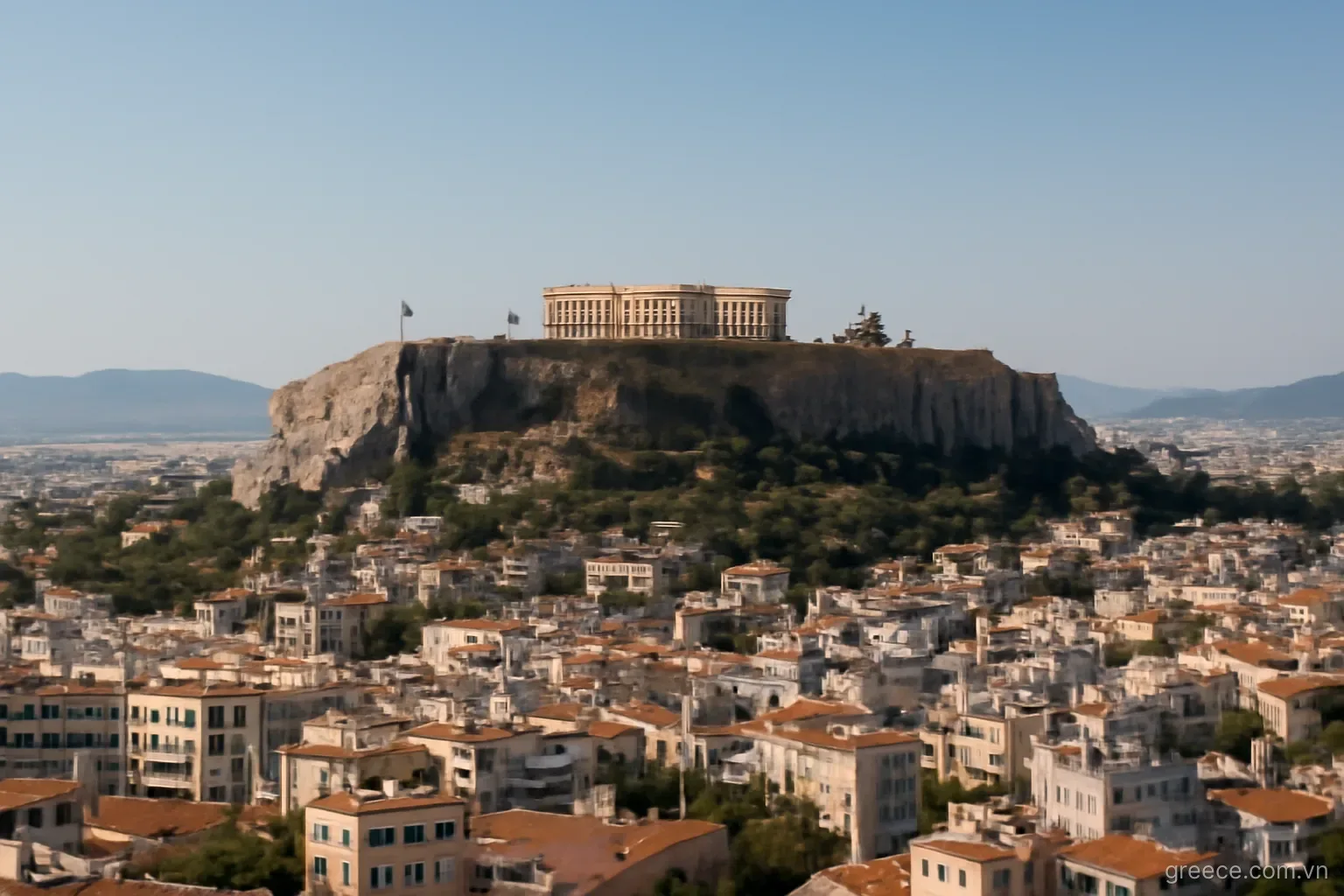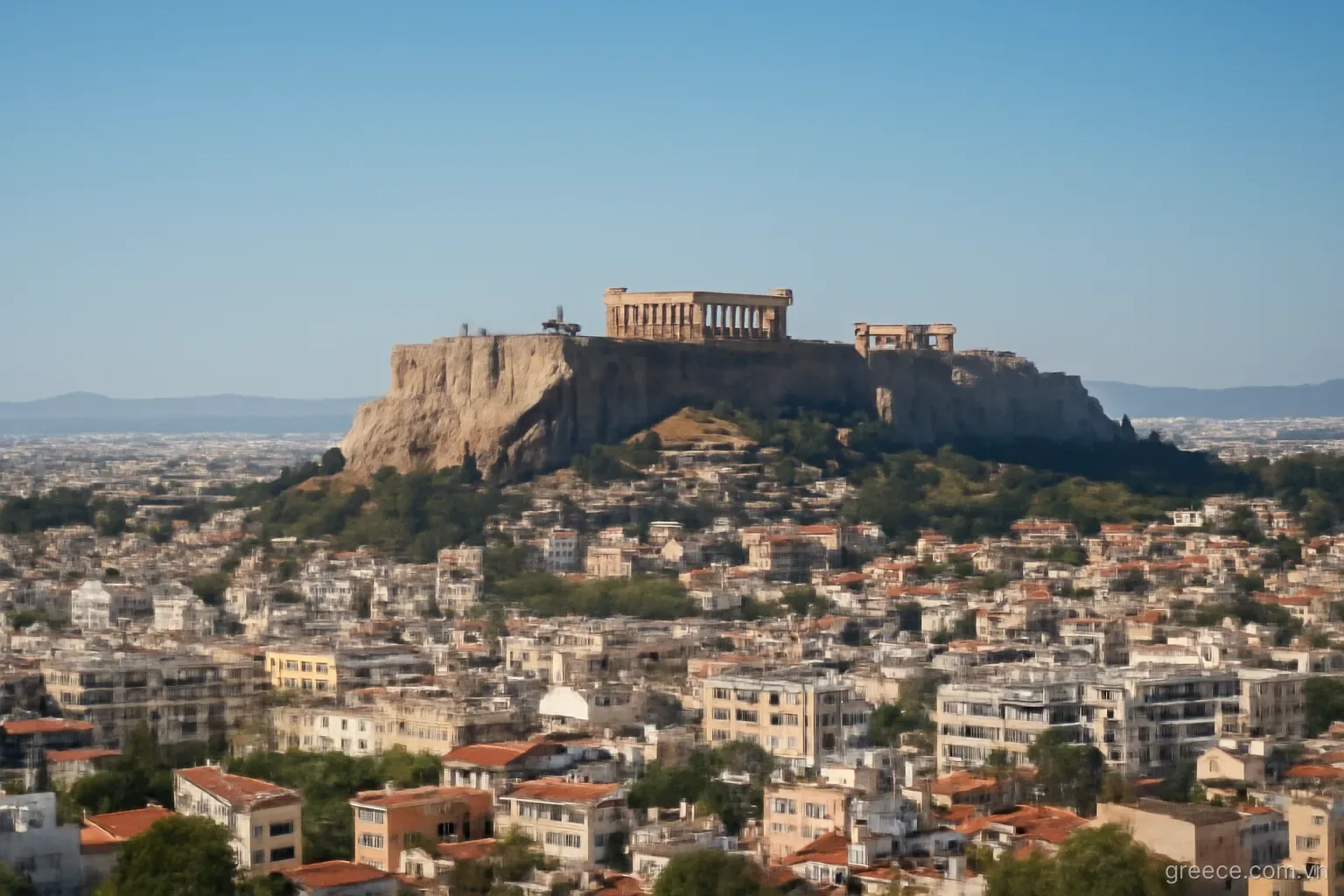
Getting an overview of Greece is the first step before planning your move.
- The official language is Greek, while English is widely spoken in tourism and larger cities.
- After the 2010s debt crisis, the economy has recovered and returned to growth.
- Property, especially in Athens, has rebounded strongly on Golden Visa demand and tourism.
The capital, Athens, is the political and economic hub and the birthplace of Western democracy.
Greece has a population of about 10.4 million, most following Greek Orthodox Christianity.
Location and connectivity
Greece counts more than 6,000 islands and islets, of which roughly 200 are inhabited.
It has a Mediterranean climate with hot, dry summers and mild, sunny winters.
A European Union member since 1981 and part of the eurozone, Greece uses the euro (EUR).
People and language
Greece belongs to the Schengen Area, allowing free movement across much of Europe.
Its coastline stretches about 13,600 km, among the longest in the world.
Greece lies in Southeastern Europe at the southern tip of the Balkan Peninsula on the Mediterranean.
Costs and living standards
Summers can be very hot, so choose a home with air-conditioning and near the sea if possible.
- The cost of living in Greece is among the most comfortable in the EU.
- Rents outside central Athens are often softer than in many Western European cities.
- The public health system (ESY) serves residents, though many add private insurance.
- Residence holders must register a tax number (AFM) and a social-security number.
- Public transport in Athens includes a convenient metro, buses and trams.
Why people choose Greece
Since August 2024 the minimum investment rose to around EUR 800,000 in prime areas such as Athens, Thessaloniki, Mykonos and Santorini.
In many other areas the threshold is roughly EUR 400,000, with lower tiers for certain heritage-restoration projects.
The Golden Visa residence card is valid for five years and renews while the investment is held.
Need a tailored roadmap?
Viking Global Group walks with you from paperwork to settlement. Call +849.219.219.88 or email [email protected] for a free consultation.
Related articles
- Property-for-residency in Greece: a step-by-step buyer guide
- Residency versus citizenship in Greece: know the difference
- Country Overview
Frequently Asked Questions
Is language a barrier in Greece?
The article covers the main language and how widely English is used in Greece.
How costly is settling in Greece?
Living-cost levels are given so you can plan a budget.
Why choose Greece?
Common reasons are analysed at the end of the article.
Information is for reference and may change under the latest official policy. Please contact us for current regulations.