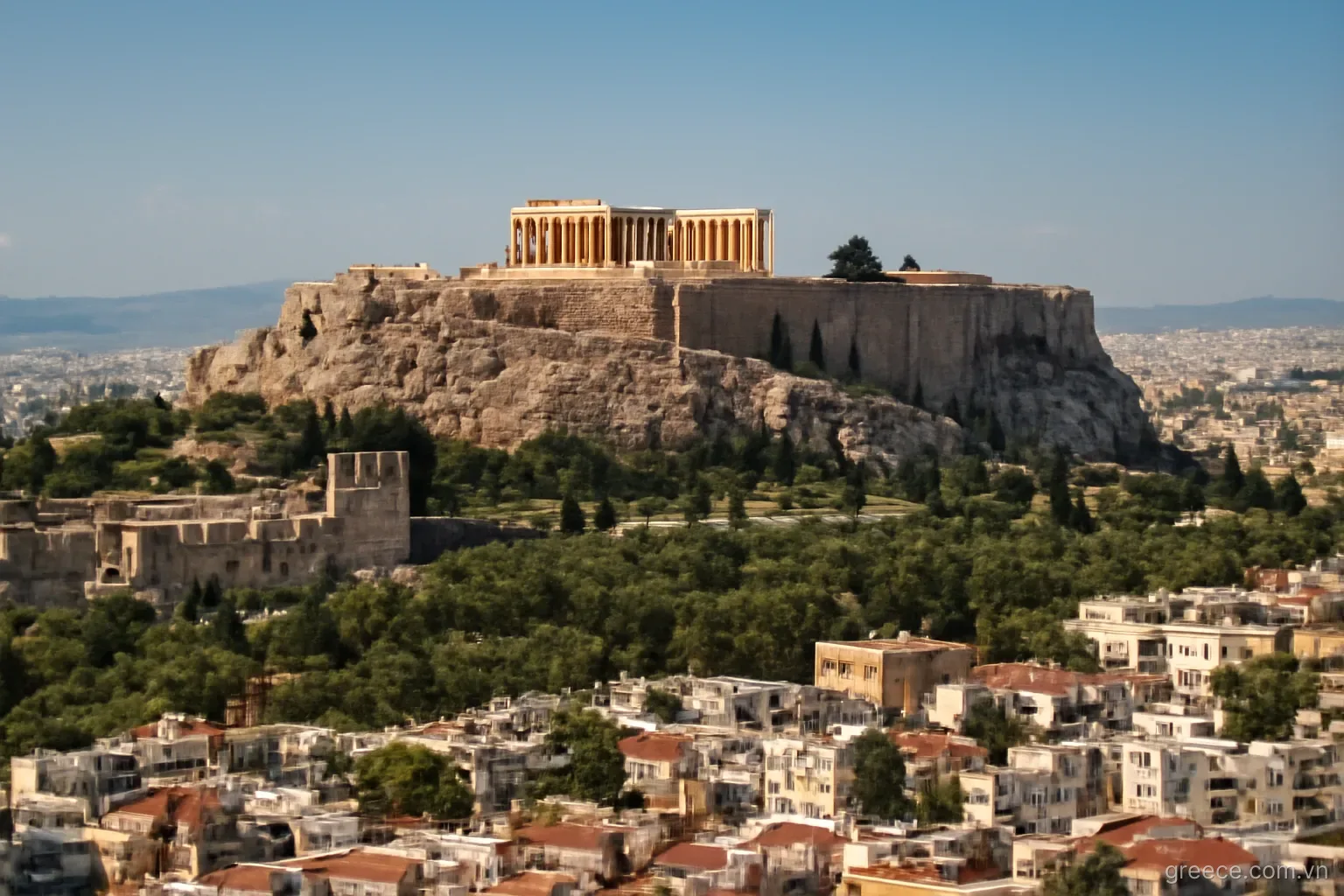
Before choosing a programme, understand why Greece appeals to migrants and investors.
- It has a Mediterranean climate with hot, dry summers and mild, sunny winters.
- A European Union member since 1981 and part of the eurozone, Greece uses the euro (EUR).
- Greece belongs to the Schengen Area, allowing free movement across much of Europe.
Greece lies in Southeastern Europe at the southern tip of the Balkan Peninsula on the Mediterranean.
The capital, Athens, is the political and economic hub and the birthplace of Western democracy.
Standing and stability
Greece has a population of about 10.4 million, most following Greek Orthodox Christianity.
The official language is Greek, while English is widely spoken in tourism and larger cities.
Greece counts more than 6,000 islands and islets, of which roughly 200 are inhabited.
Advantages for investors
The Golden Visa residence card is valid for five years and renews while the investment is held.
- The programme sets no minimum-stay requirement, which suits busy investors.
- The permit covers the whole family, including spouse, dependent children and both sets of parents.
- Holders enjoy free movement within the Schengen Area without a separate visa.
- Besides property, investors may qualify through bonds, shares or bank deposits at set thresholds.
- When buying, budget for transfer tax, notary and legal fees on top of the purchase price.
The settlement environment
Fresh food, sunny weather and a relaxed pace are big pluses.
The Vietnamese community is small but present in Athens.
Opening a bank account requires a passport, tax number and residence documents.
Numbers that matter
Labour costs are more competitive than in Western Europe, appealing to some investors.
Renewable energy and technology are emerging growth areas.
Greece's economy leans on tourism, shipping and agriculture.
Need a tailored roadmap?
Viking Global Group walks with you from paperwork to settlement. Call +849.219.219.88 or email [email protected] for a free consultation.
Related articles
- The latest Greece investment migration programmes
- Greece immigration routes and how to choose
- Country Overview
Frequently Asked Questions
Who is Greece suitable for?
It suits families seeking residency and investors after a passport or permit, as detailed above.
Is Greece stable for long-term investment?
The article analyses the political, economic and legal stability of Greece.
What is Greece's biggest strength?
Key migration and investment advantages are highlighted throughout.
Information is for reference and may change under the latest official policy. Please contact us for current regulations.