Understanding the Greece economy reveals investment and job opportunities.
- Greece has a population of about 10.4 million, most following Greek Orthodox Christianity.
- The official language is Greek, while English is widely spoken in tourism and larger cities.
- Greece lies in Southeastern Europe at the southern tip of the Balkan Peninsula on the Mediterranean.
Greece's economy leans on tourism, shipping and agriculture.
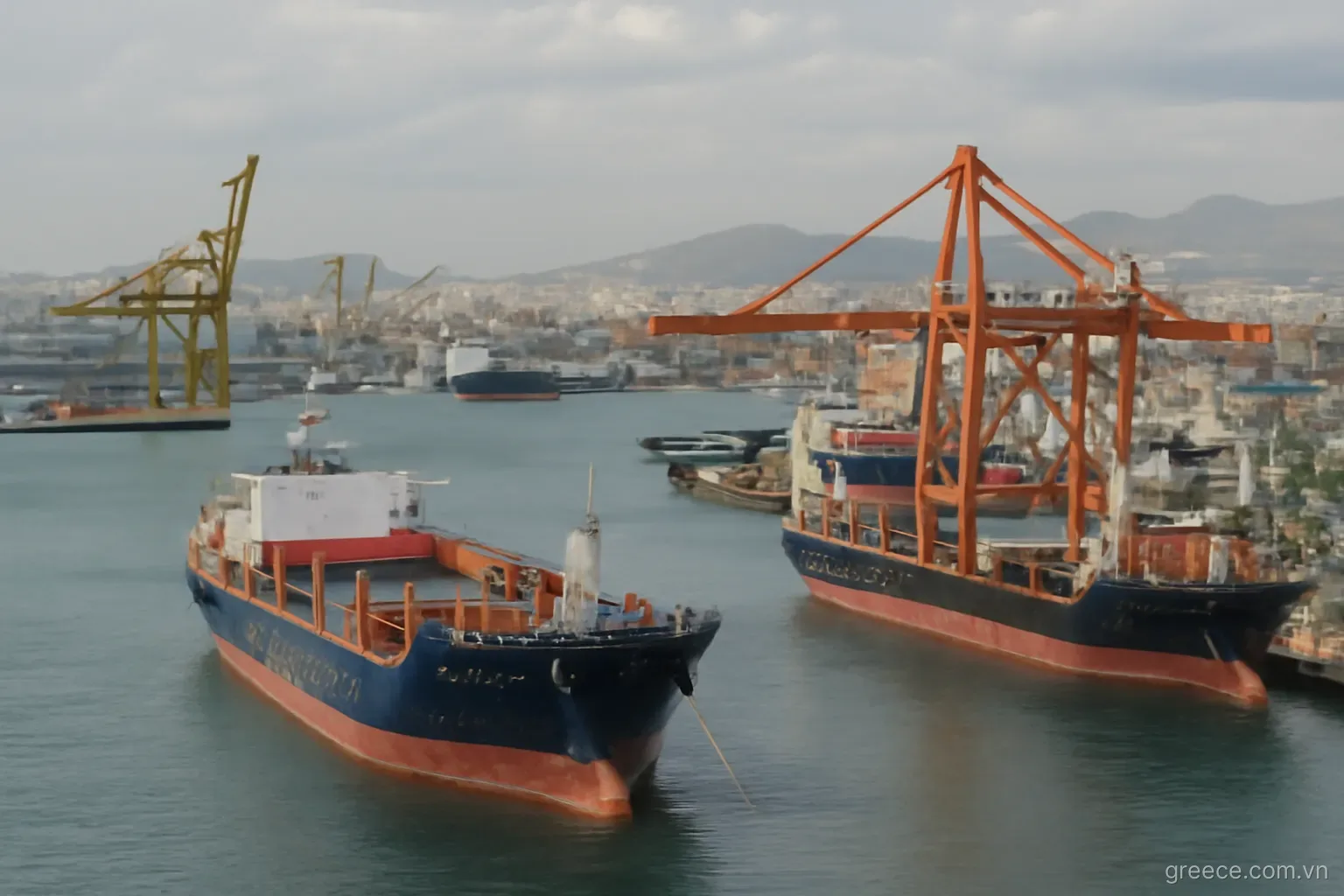
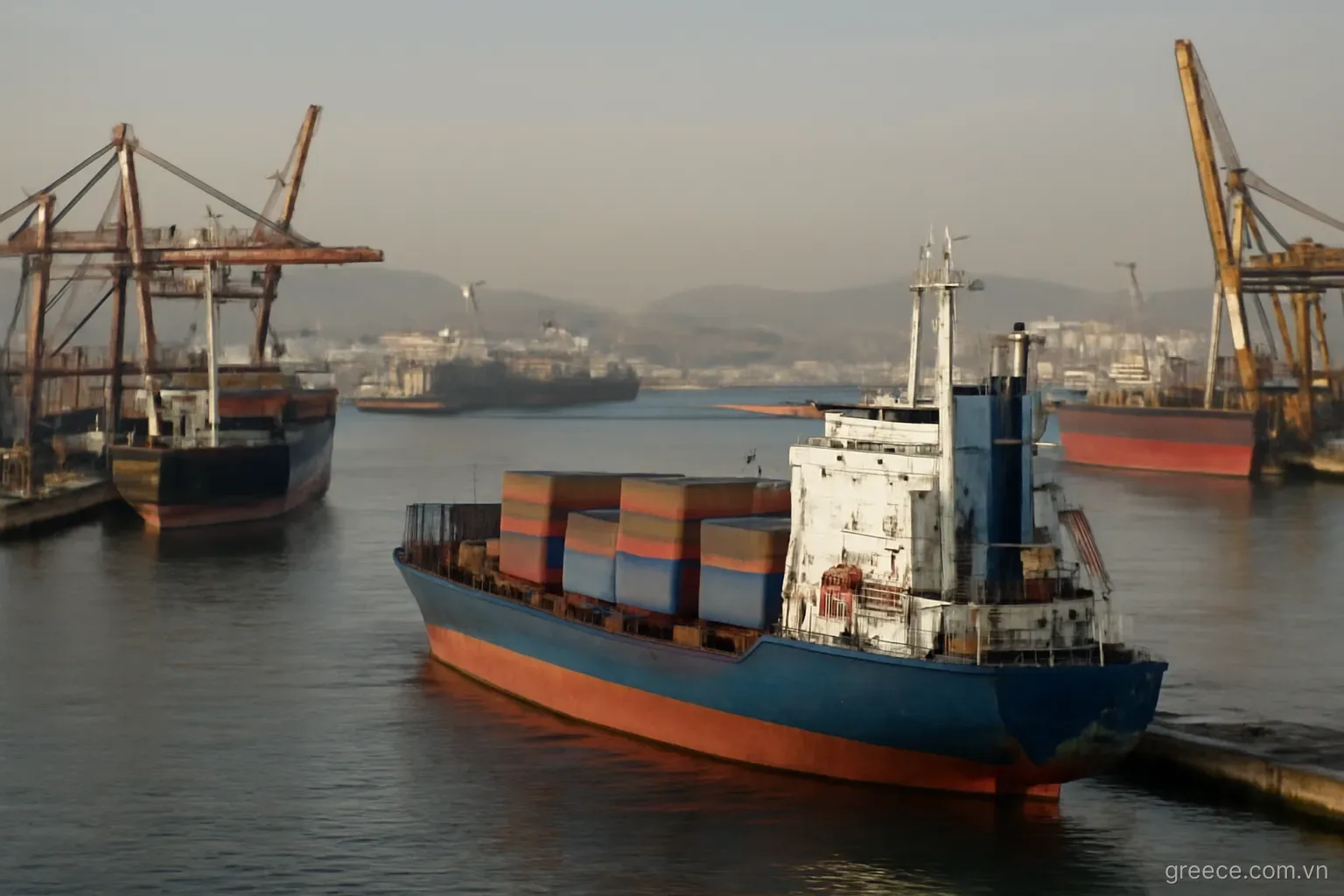
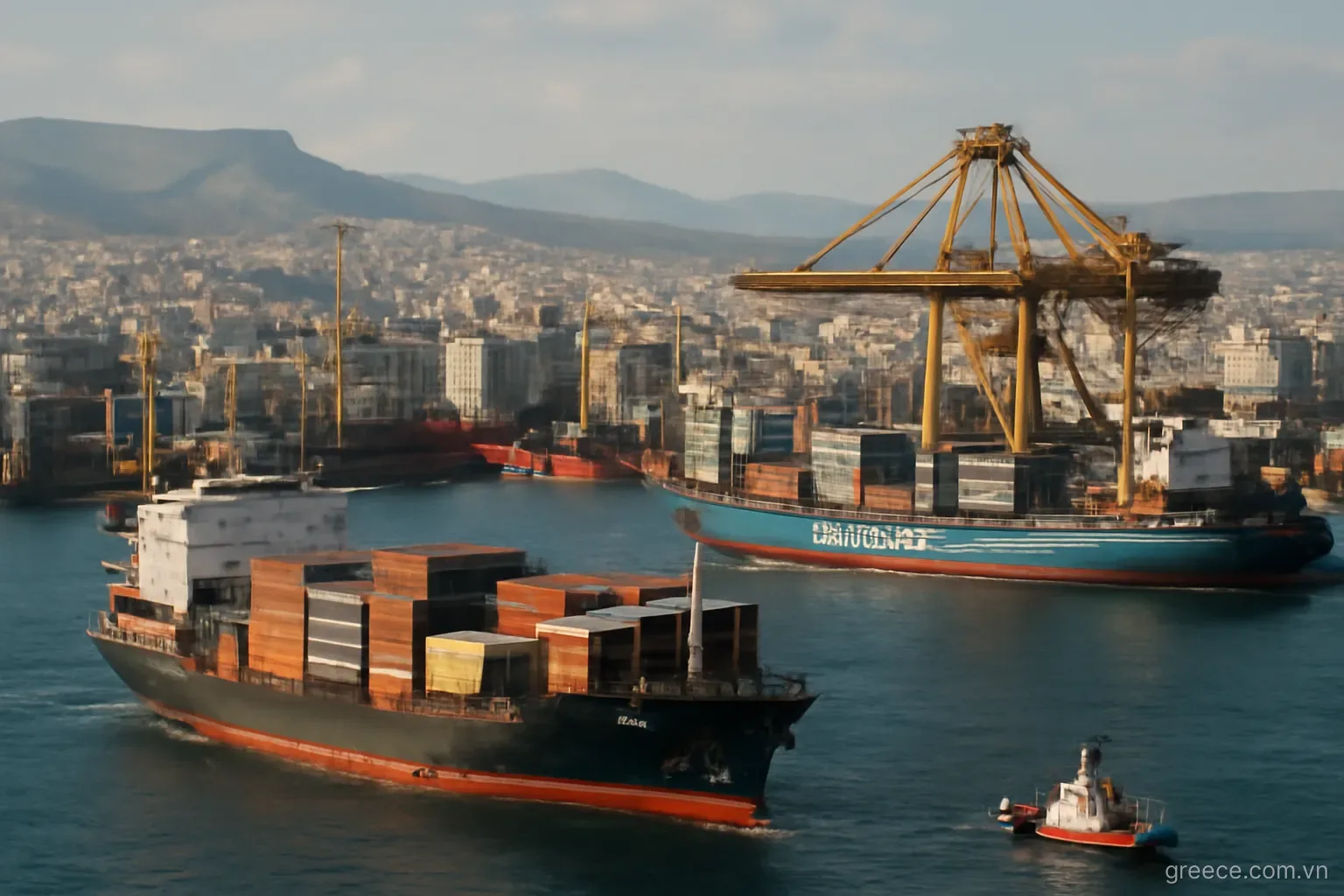
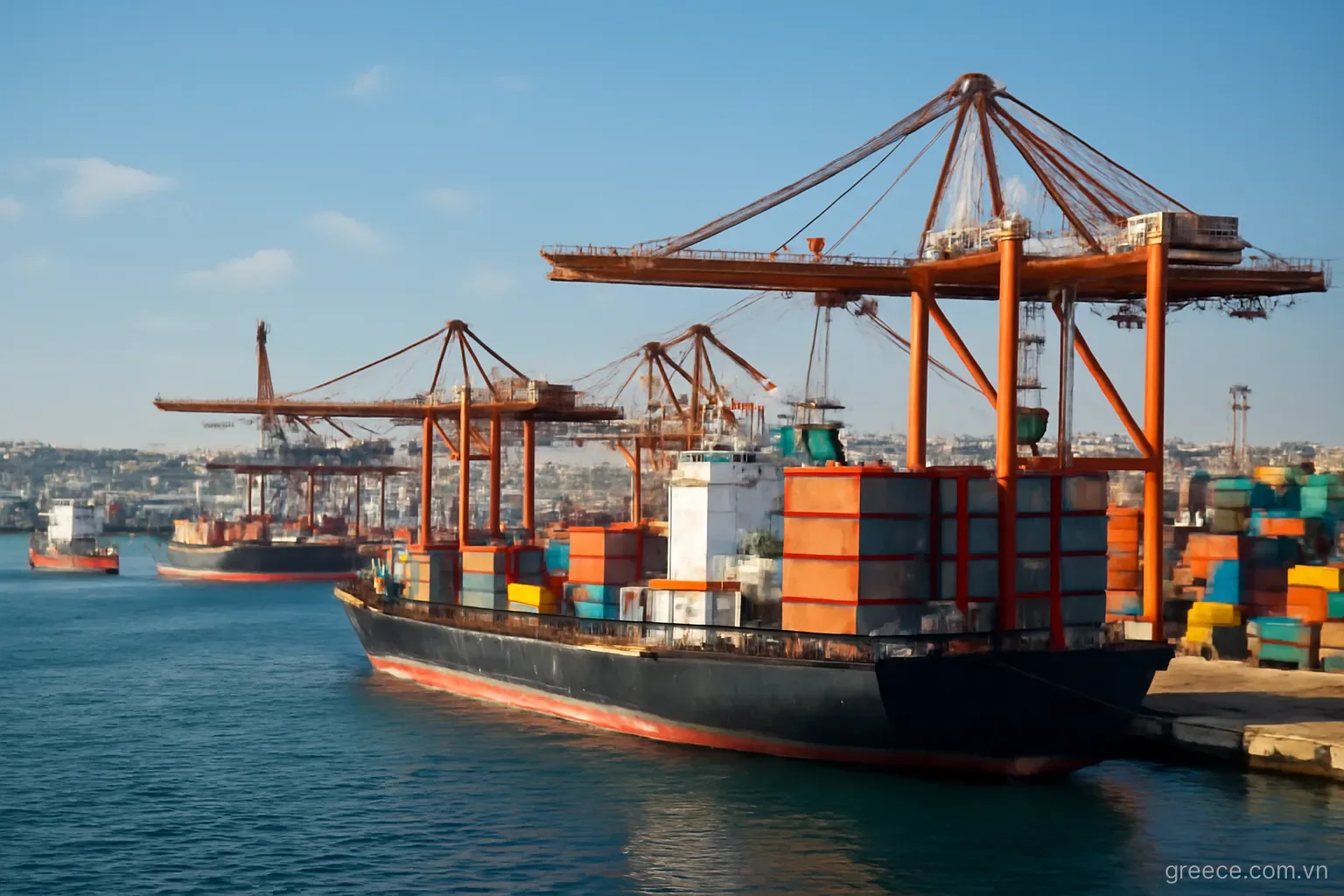
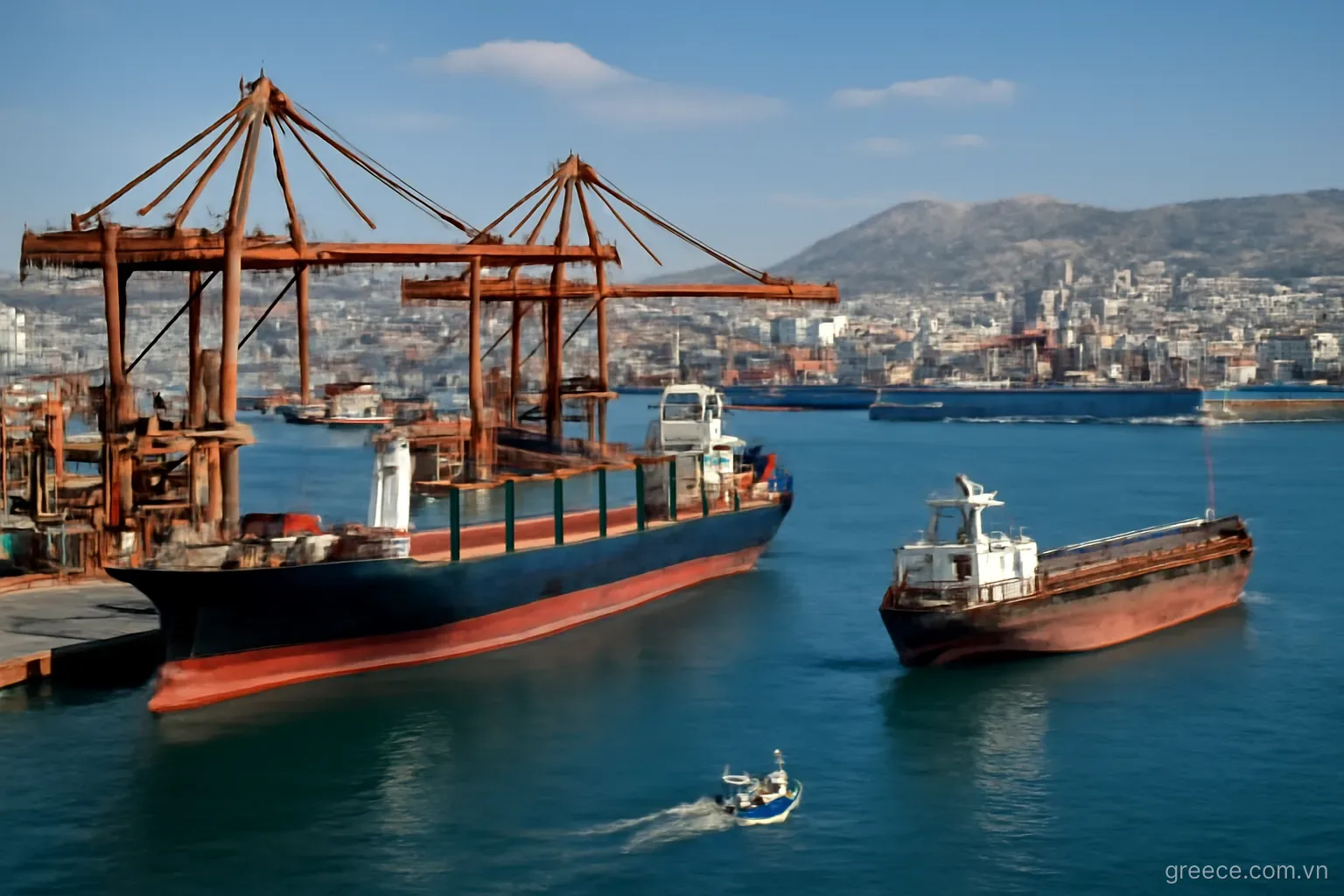
Greece owns one of the world's largest merchant fleets by tonnage.
Size and key sectors
Tourism contributes a sizeable share of GDP, welcoming tens of millions of visitors yearly.
After the 2010s debt crisis, the economy has recovered and returned to growth.
Property, especially in Athens, has rebounded strongly on Golden Visa demand and tourism.
Leading sectors
Farm exports include olive oil, fruit, wine and seafood.
- As an EU and eurozone member, Greece accesses the European single market.
- Labour costs are more competitive than in Western Europe, appealing to some investors.
- Renewable energy and technology are emerging growth areas.
- Greece counts more than 6,000 islands and islets, of which roughly 200 are inhabited.
- It has a Mediterranean climate with hot, dry summers and mild, sunny winters.
Business environment
A European Union member since 1981 and part of the eurozone, Greece uses the euro (EUR).
Greece belongs to the Schengen Area, allowing free movement across much of Europe.
Its coastline stretches about 13,600 km, among the longest in the world.
Opportunities for investors
Besides property, investors may qualify through bonds, shares or bank deposits at set thresholds.
When buying, budget for transfer tax, notary and legal fees on top of the purchase price.
Greece runs a Golden Visa programme granting residence to real-estate investors.
Need a tailored roadmap?
Viking Global Group walks with you from paperwork to settlement. Call +849.219.219.88 or email [email protected] for a free consultation.
Related articles
- Greece culture: what to know before you settle
- Cost of living in Greece: what a month costs
- Economy & Opportunity
Frequently Asked Questions
What are Greece's strong sectors?
Leading sectors are listed above.
How business-friendly is Greece?
The business climate is assessed above.
What opportunities exist?
Suitable opportunities are suggested above.
Information is for reference and may change under the latest official policy. Please contact us for current regulations.